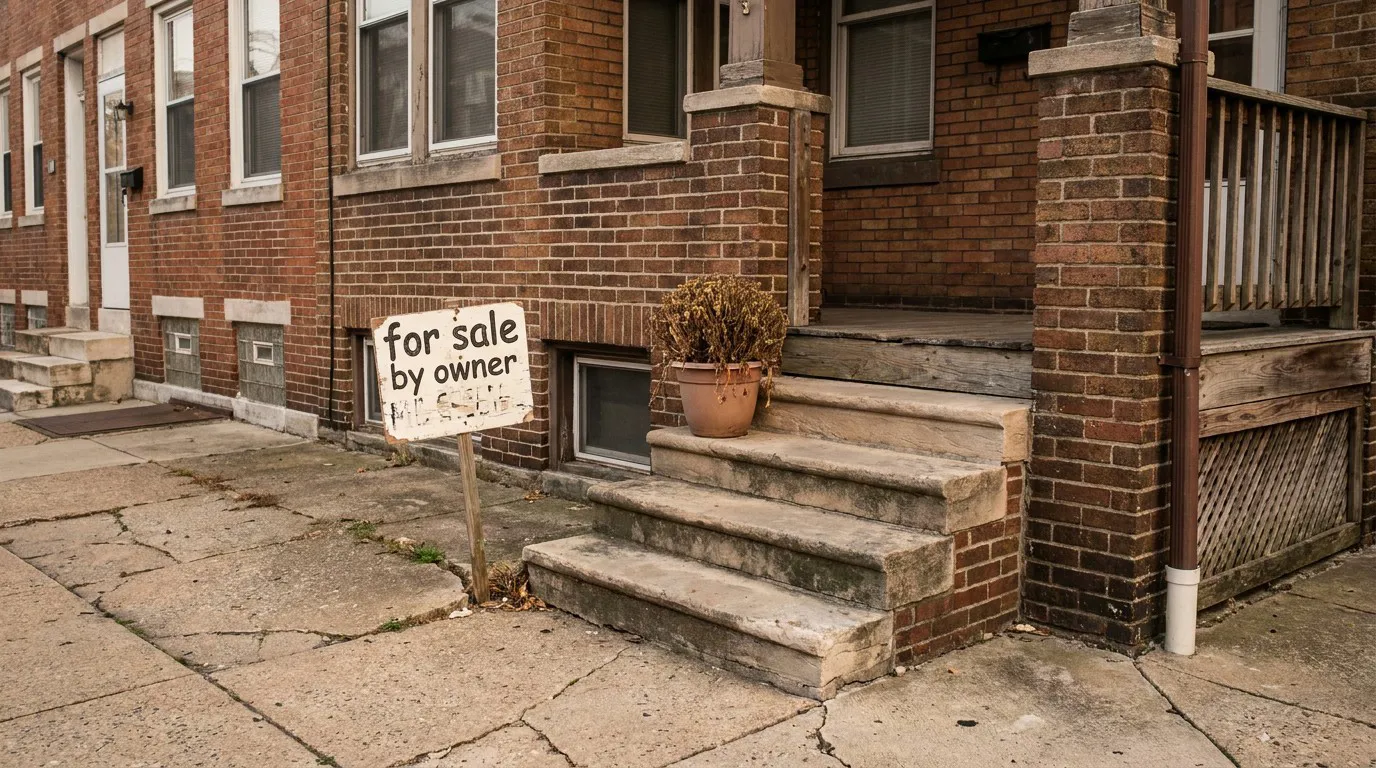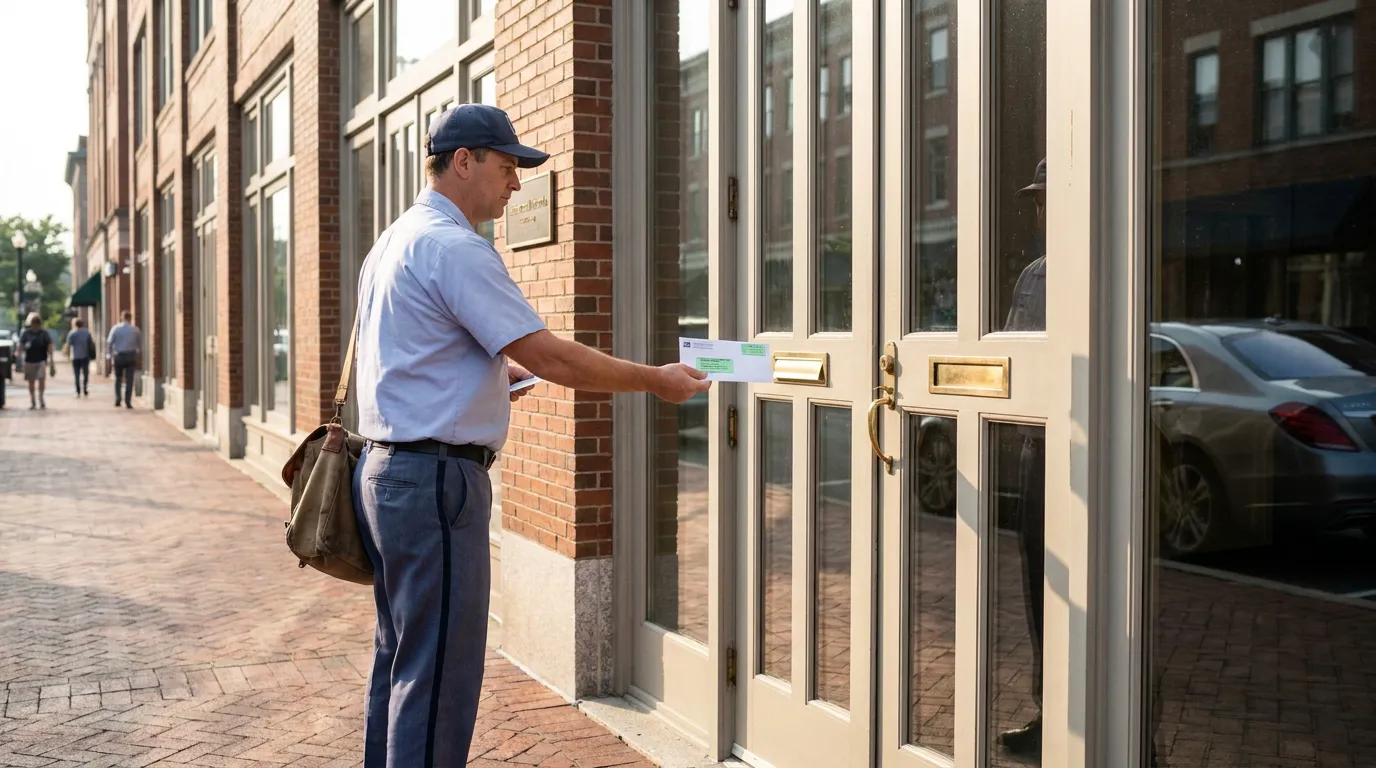

When faced with a commercial tenant who hasn’t paid rent, Pennsylvania landlords often wonder if they can change the locks. The short answer is generally no—Pennsylvania law significantly restricts a landlord’s ability to lock out commercial tenants, even when they’re behind on rent. This situation creates considerable stress for both parties, with landlords seeking to protect their investments and tenants needing to maintain business operations. Commercial lease disputes require careful navigation of Pennsylvania’s property laws to avoid costly legal battles and potential liability.
Don’t let the complexities of commercial tenant disputes weigh you down. Reach out to RS Law Group for in-depth guidance on navigating Pennsylvania’s property laws. Whether you’re considering eviction or exploring alternative remedies, our team is here to help. Call us at (215)-717-2200 or contact us today to safeguard your investment and ensure a smooth resolution.

Commercial leases in Pennsylvania operate under different rules from residential properties. While commercial tenancies don’t have the same protective statutes as residential ones, landlords must follow proper legal channels before acting against defaulting tenants. Self-help remedies like changing locks without court authorization can expose landlords to significant legal consequences, including claims for wrongful eviction, business interruption, and punitive damages. Courts generally require landlords to pursue formal eviction proceedings through the Pennsylvania court system, regardless of what your lease agreement might suggest. Understanding these distinctions is crucial before taking any action against a tenant, which is why many property owners consult a real estate lawyer in Philadelphia before proceeding with tenant enforcement actions.
Instead of resorting to self-help measures like changing locks, landlords must follow a specific legal process to remove commercial tenants in Pennsylvania. This formal eviction procedure includes several steps and timeframes that must be strictly followed to maintain legal compliance. While the process may seem lengthy compared to the immediate satisfaction of changing locks, it provides critical legal protections for both parties.
Serve proper written notice of default according to lease terms
File a complaint with the local Magisterial District Court if the tenant fails to cure the default
If the court rules in favor of the landlord, an order for possession will be issued
The tenant has 10 days to appeal the judgment before the landlord can request an Order of Possession
Once the Order of Possession is issued, the tenant has an additional 10 days to vacate before a constable can physically remove them
Pennsylvania landlords have several legal options beyond lockouts when facing a non-paying commercial tenant. Consider negotiating a payment plan or lease modification that acknowledges current market conditions. Pursuing formal eviction through the courts provides the legal foundation for regaining possession if negotiations fail. For complex commercial property disputes, particularly those involving significant tenant improvements or unique lease provisions, working with askilled real estate property lawyer in Philadelphia can make a substantial difference in the outcome. At RS Law Group, we regularly guide landlords through the intricacies of commercial tenant defaults, helping them understand when and how to properly enforce their rights while avoiding costly missteps that could lead to tenant counterclaims.
Despite straightforward lease language about landlord remedies, taking matters into your own hands by changing locks or shutting off utilities can trigger profound legal repercussions in Pennsylvania. Courts have consistently held that self-help measures violate a tenant’s right to due process, even in commercial contexts. The financial implications of an improper lock-out can far exceed the original unpaid rent amounts, as tenants may pursue claims for business interruption, loss of inventory, damage to reputation, and in some cases, punitive damages designed to discourage such landlord behavior.
Commercial leases in Pennsylvania contain clauses that give landlords the right to change locks upon default. However, these provisions often prove unenforceable when challenged in court. We’ve seen numerous cases where landlords believed their lease gave them clear authority to lock out a tenant, only to find themselves defending against substantial counterclaims. Pennsylvania courts typically view the landlord-tenant relationship through the lens of property rights, requiring judicial process before a tenant can be deprived of their leasehold interest, regardless of contractual language.
While Pennsylvania generally prohibits commercial landlords from using lockouts as a first response to tenant defaults, certain narrow exceptions exist. These exceptions typically involve situations where the property faces immediate substantial harm or the tenant has definitively abandoned the premises. According to a recent study by the Commercial Real Estate Development Association, only a small percentage of commercial tenant disputes in Pennsylvania qualify for these exceptions, making them extremely rare in practice. Understanding these limited scenarios requires careful legal analysis, as the burden of proving abandonment or imminent harm falls entirely on the landlord.
Distinguishing between genuine abandonment and temporary vacancy presents a significant challenge for commercial landlords. Pennsylvania courts examine multiple factors when assessing abandonment claims, including removal of business equipment, return of keys, explicit statements of intent to vacate, disconnection of utilities, and cessation of business operations. A temporary closure or reduced operations, particularly common since the pandemic, typically doesn’t constitute abandonment. Before concluding a property has been abandoned, landlords should document all evidence supporting this conclusion and consider sending a formal abandonment verification letter requesting the tenant’s response within a reasonable timeframe.
Rather than resorting to lockouts, Pennsylvania commercial landlords have several legally sound alternatives to address tenant defaults. These approaches often resolve issues more efficiently than formal eviction while maintaining legal compliance and preserving the landlord-tenant relationship when possible. Each option has different advantages depending on the circumstances, lease terms, and the landlord’s long-term property management objectives.
Many Pennsylvania commercial leases contain confession of judgment clauses, which can provide landlords with an expedited process for obtaining monetary judgments against defaulting tenants. When properly drafted and executed, these provisions allow landlords to enter judgment against tenants without going through standard litigation. Similarly, pursuing personal guarantors of commercial leases often presents a faster path to recovery than property-based remedies. Guarantor actions typically proceed through standard civil litigation rather than landlord-tenant courts, potentially offering landlords additional leverage in negotiating with defaulting tenants while maintaining their legal and ethical obligations under Pennsylvania real estate law.
A Pennsylvania commercial landlord can legally change locks only after completing the full eviction process and obtaining a court order or in sporadic cases where the tenant has completely abandoned the property or there’s imminent danger to the building. Changing locks without proper legal authority exposes landlords to significant liability under Pennsylvania real estate law, potentially including damages for business interruption and wrongful eviction.
Philadelphia property owners should review their lease agreement to understand the default provisions, then send a formal written notice as specified in the lease. If the tenant doesn’t cure the default, owners should consult a Philadelphia real estate attorney to evaluate options, including negotiation, formal eviction proceedings, or pursuing guarantors. The appropriate approach depends on lease terms, tenant communication, business viability, and current market conditions for releasing the space.
Commercial evictions in Pennsylvania can vary significantly in timing. While some cases may take around 60-90 days, others can extend much longer depending on various factors. The process involves multiple steps, including serving proper notice to tenants, filing court proceedings, waiting for hearings, allowing for appeal periods, and obtaining possession orders. The landlord must wait 11 days after the writ is served before further action. However, complications such as tenant appeals, court scheduling delays, bankruptcy filings, or other procedural issues can extend the timeline beyond the typical range. Each case is unique and depends on the circumstances, lease terms, and how the tenant responds to the proceedings.
Yes, PA real estate owners have several alternatives to traditional eviction. These include negotiating lease modifications, creating payment plans, pursuing guarantors separately from the tenant, exercising confession of judgment clauses if included in the lease, applying security deposits to outstanding balances, or negotiating an early lease termination with a release agreement. Each approach has different legal implications under Pennsylvania real estate development law, and the best strategy depends on factors like market conditions, tenant financial status, and specific lease provisions.
Commercial tenants wrongfully locked out in Pennsylvania may claim substantial damages, including lost business profits, spoiled inventory, employee wages, reputational harm, emotional distress, relocation costs, and, in egregious cases, punitive damages. Courts may also award attorney fees if provided for in the lease. The potential liability often far exceeds the original unpaid rent amount, making proper legal process essential when dealing with tenant defaults, regardless of how clear the default may seem to the landlord.
Navigating commercial tenant defaults requires careful consideration of Pennsylvania’s nuanced property laws. When facing tenant payment issues or considering enforcement options, consulting with a knowledgeable real estate lawyer clarifies available legal remedies and potential pitfalls. An experienced attorney can help draft appropriate notices, ensure procedural compliance, evaluate specific lease provisions, and develop strategic approaches tailored to your property situation. This guidance helps protect your investment and minimizes exposure to costly counterclaims that often arise from procedural missteps. Before acting against a defaulting commercial tenant, consider a consultation to understand the full spectrum of legal options available under Pennsylvania law.
When commercial tenant disputes get tough, don’t go it alone. RS Law Group is ready to help you navigate the tricky waters of Pennsylvania’s property laws. Call us at (215)-717-2200 or contact us to explore your options and protect your investment.