
Philadelphia Businesses Face a Short Window After an L&I Zoning Refusal
Key Takeaways: In Philadelphia, a business receiving a zoning or use registration refusal from the Department of Licenses and Inspections generally has only 30 days to appeal to the Zoning Board of Adjustment. This framework also applies to certain referrals, permit issuances, and other L&I zoning decisions. A complete filing requires the appeal form, Project Information Form, signed refusal or referral, and filing fee. The appeal deadline is only the start; the record, requested relief, and hearing presentation shape project timing and value.
Yes, in many cases a Philadelphia business can appeal an L&I zoning refusal within 30 days, but the deadline is tight and procedural errors are costly. When L&I refuses a zoning or use registration application, the matter may be taken to the Zoning Board of Adjustment (ZBA) within 30 days. For commercial property owners, that deadline affects acquisition schedules, financing assumptions, and development timelines.
If your project has been delayed by an L&I zoning refusal, RS Law Group can assess the procedural posture, protect the filing deadline, and help position the matter for a stronger hearing presentation. Commercial clients needing a prompt legal review can call (215)-717-2200, contact the firm, or review RS Law Group for additional information.
The 30-Day Rule Is Real, and It Often Controls the Entire Dispute
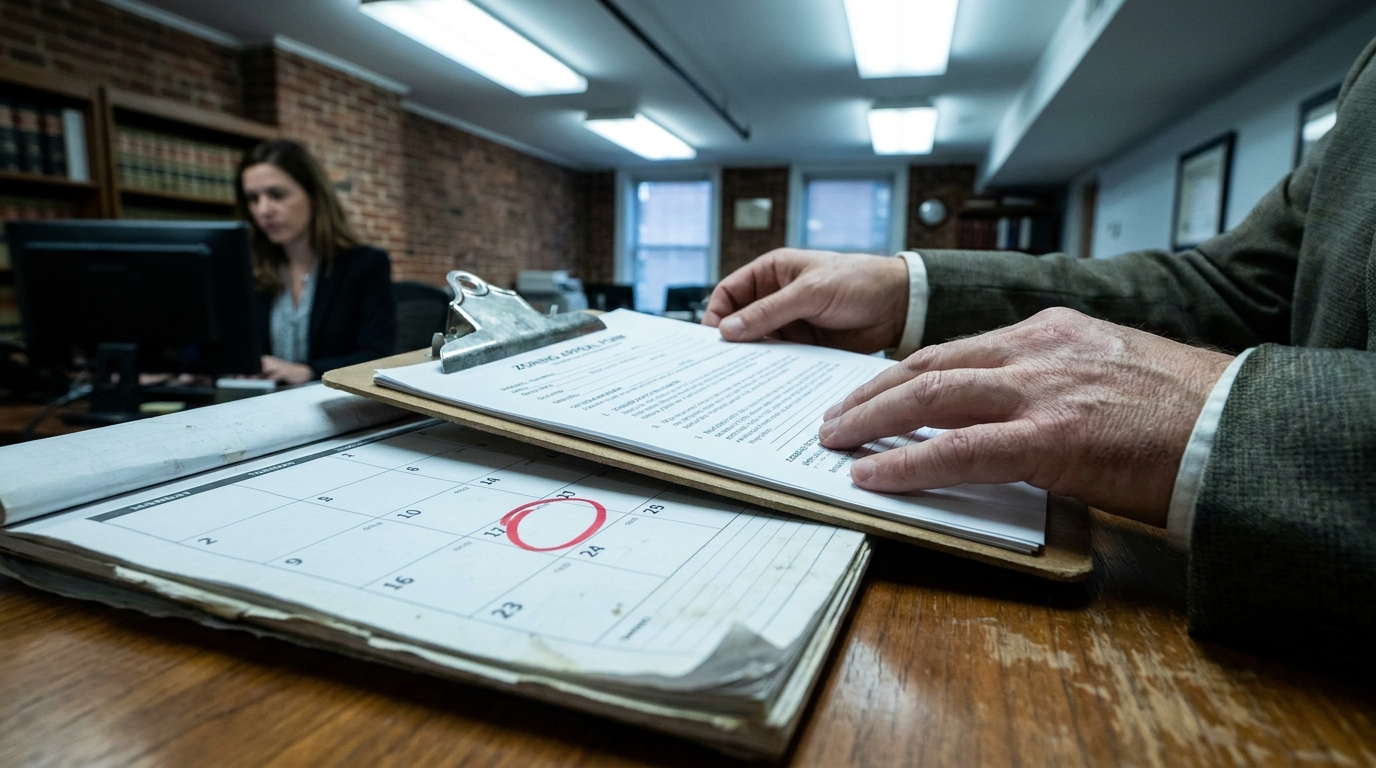
A business that receives an L&I refusal generally has 30 days to appeal to the ZBA. The City of Philadelphia states that if L&I refuses a zoning or use registration application, the applicant has 30 days to appeal. The same guidance indicates appeals may be taken from certain permit issuances and other L&I zoning decisions. (phila.gov)
That deadline matters because zoning timing is a business issue, not just paperwork. A missed appeal window can disrupt diligence periods, delay construction starts, affect lender expectations, and complicate tenant negotiations. For sophisticated owners or developers, the first question is not only whether an appeal is available, but also what relief should be requested and what factual showing will be required.
💡 Pro Tip: Do not assume a refusal is only about form or missing documents. In many commercial projects, the refusal language points to the exact zoning conflict that will shape whether the better path is an appeal, variance request, special exception request, or revised development plan.
What the ZBA Actually Reviews in Philadelphia
The ZBA hears more than one kind of zoning dispute. Philadelphia describes the ZBA as an independent board within the Department of Planning and Development that hears appeals from L&I refusals or referrals of zoning permit applications, along with other L&I decisions under the Philadelphia Zoning Code. (phila.gov)
That distinction is important for commercial decision-making. Some matters involve a straightforward challenge to an L&I interpretation. Others involve a request for relief that L&I cannot grant administratively. When L&I refers a case directly to the ZBA, the Board may consider whether to grant a variance or special exception. (phila.gov)
Refusal vs. referral is not just semantics
A refusal and a referral can lead to different arguments at the hearing stage. City guidance explains that if proposed use or construction is not allowed under zoning, L&I issues a refusal, and if the use requires a special exception, L&I issues a referral. Counsel must identify early whether the case turns on code interpretation, dimensional relief, use relief, or special exception standards. (phila.gov)
For commercial applicants, that difference affects both evidence and risk. A business contesting an L&I reading of the code may focus on ordinance text, prior approvals, and plan consistency. A business seeking relief from the Board may need a fuller factual record addressing applicable standards, project design, operational realities, and neighborhood impact.
Appeals can also target issued permits and other L&I zoning decisions
An appeal is not limited to a denied application. Philadelphia states an appeal against L&I may be made regarding any by-right zoning permits issued by L&I or any zoning decision made by L&I. (phila.gov)
For businesses, this means the case posture should be evaluated immediately after any meaningful zoning action. A project may be exposed even after approval if another party files a timely appeal. Conversely, a property owner may have appeal rights when L&I issues an adverse zoning determination short of a classic permit refusal.
What Must Be Filed to Start a Philadelphia Zoning Refusal Appeal
A complete filing package is required, and incompleteness can delay the matter. The City indicates a complete application package includes an application for appeal or special exception, a Project Information Form, a signed copy of the Notice of Refusal or Referral or L&I decision, and the filing fee. (phila.gov)
The Project Information Form is not optional. Philadelphia’s ZBA appeal materials expressly state that the applicant must fill out a Project Information Form. (phila.gov)
Businesses should also review the City’s ZBA appeal materials early in the process. Those materials help frame what the City expects in a complete submission and can reduce avoidable filing problems. (phila.gov)
💡 Pro Tip: Treat the refusal notice as a litigation document. Preserve the notice, filing date, plans, correspondence, and any prior permit history because those materials often inform both the legal theory and factual narrative presented to the Board.
A simple checklist for commercial applicants
The filing process is easier to manage when required documents are assembled immediately.
| Required item | Why it matters |
|---|---|
| Appeal or special exception application | Identifies the relief requested and procedural basis |
| Project Information Form | Required by City materials as part of a complete filing |
| Signed refusal, referral, or L&I decision | Establishes the decision being appealed |
| Filing fee | Needed for processing the appeal |
Filing Fees and Timing Should Be Confirmed From the Refusal or Referral
The filing fee is tied to the type of property and proceeding. Philadelphia states the fee to appeal varies, including $125 for existing one-or-two-family dwellings, $300 for new one-or-two-family dwellings and all other properties, and $200 for administrative review. The filing fee will be listed on the refusal or referral issued by L&I. (phila.gov)
For most business owners and developers, the relevant commercial category will often be the "all other properties" amount. The deadline remains critical, because the City’s materials consistently state that an applicant generally has 30 days to appeal an L&I zoning refusal, referral, permit issuance, or other appealable zoning decision to the ZBA. (phila.gov)
Why Commercial Projects Need More Than a Fast Filing
Meeting the deadline is necessary, but usually not sufficient. In a significant Philadelphia development zoning dispute, the better question is how the case should be framed so the Board understands the project, the code issue, and the business consequences of delay.
That is one reason many businesses work with a Philadelphia zoning appeal lawyer early. Early analysis may clarify whether the matter is best presented as an error-correction appeal, a variance request, a special exception case, or part of a broader land use strategy.
💡 Pro Tip: If the applicant is an LLC or corporation, representation issues should be addressed immediately. Philadelphia states that corporations, including LLCs, must be represented before the ZBA by an attorney authorized to practice in Pennsylvania. (phila.gov)
Hearing strategy often affects entitlement timelines
A zoning appeal is an administrative proceeding, but it can function like a high-stakes evidentiary presentation. The Board may hear testimony from the applicant and others regarding why the relief should be granted or why the L&I decision should be overturned. For commercial applicants, project drawings, operational details, site constraints, and code-based arguments should work together. (phila.gov)
This is where a zoning attorney Philadelphia businesses trust can add value beyond filing papers. Strong preparation may help define the narrowest viable relief, present the project with credibility, and reduce inconsistencies that opponents may exploit.
The process can continue after the ZBA decision
If the ZBA denies the request, another 30-day deadline may apply. Philadelphia states that if ZBA denies the request, the applicant has 30 days to appeal that decision to the Court of Common Pleas or to request reconsideration. (phila.gov)
Working With a zoning attorney Philadelphia Companies Can Rely On
Commercial zoning matters often intersect with deal structure, financing, and risk allocation. A business may be deciding whether to close on a property, amend a purchase agreement, renegotiate with a lender, or revise construction sequencing while an appeal is pending. In that setting, a Philadelphia zoning attorney should evaluate not only the appeal itself but also how the zoning issue interacts with the broader transaction.
A commercial zoning lawyer Philadelphia PA companies retain for substantial projects may help coordinate entitlement strategy, preserve the record, and align the zoning path with business objectives. Readers who want a broader overview can review the firm’s Philadelphia land use attorney services.
Businesses should also review the City’s ZBA appeal process because the City’s current guidance outlines the required filing materials, who may appeal, and what happens after submission. That public guidance is useful, but it should be applied to the project’s actual facts. (phila.gov)
Frequently Asked Questions
-
Can a business appeal an L&I zoning refusal in less than 30 days?
Yes, and waiting is usually unwise. The City states that if L&I refuses a zoning or use registration application, the applicant has 30 days to appeal to the ZBA. Filing sooner may give the business more time to prepare for the hearing. (phila.gov)
-
What if L&I issued a referral instead of a refusal?
A referral may still place the matter before the ZBA. Philadelphia states that L&I may refer a case directly to the ZBA, and the Board will consider whether to grant a variance or special exception. (phila.gov)
-
What documents are usually needed for a complete ZBA filing?
The City identifies four core items. A complete application package generally includes the appeal or special exception application, the Project Information Form, the signed Notice of Refusal or Referral or other L&I decision, and the filing fee. (phila.gov)
-
Can a corporation appear before the ZBA without counsel?
Generally, no. Philadelphia states that a corporation, including an LLC, must be represented before the ZBA by an attorney authorized to practice in Pennsylvania. (phila.gov)
-
What happens if the ZBA denies the appeal?
Another deadline may begin immediately. Philadelphia states that if the ZBA denies the request, the applicant has 30 days to appeal to the Court of Common Pleas or request reconsideration. (phila.gov)
The Better Question Is Not Only Whether You Can Appeal, but How You Should
A Philadelphia business can often appeal an L&I zoning refusal within 30 days, but the practical issue is whether the appeal is being positioned to support the project’s larger commercial objectives. The filing deadline, required documents, and fee structure all matter, yet the most important variable is often the quality of the legal and factual strategy behind the filing.
If your project is facing a zoning refusal, referral, or related entitlement delay, RS Law Group can help evaluate the procedural posture and develop a strategy tailored to the property, the code issue, and the project timeline. To discuss the matter, call (215)-717-2200, contact us now, or visit RS Law Group for more information.