How Can Homebuyers Protect Themselves During the Closing Process?

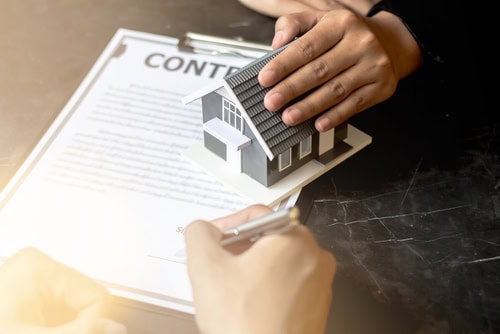
A person gestures at a small house model while showing a calculator displaying 500,000 over a contract agreement on the table, mindful of potential property line disputes.

Buying a home in the City of Brotherly Love is an exciting journey, but the closing process can be daunting. As you prepare to seal the deal on your dream property near Rittenhouse Square or along the historic streets of Old City, it’s crucial to understand how to protect yourself. Let’s explore the essential steps to ensure a smooth and secure closing experience in Philadelphia’s bustling real estate market.

RS Law Group is skilled in real estate law and has a proven track record of successfully representing clients. Their team of real estate attorneys can be reached at (215)-717-2200 for a free consultation.

Two people sit at a table featuring a model house, contract, calculator, and money. One person signs the contract as the other holds a key, ready to settle any potential property line disputes with ease and assurance.

Understanding Your Legal Rights in Real Estate Transaction Law

Homebuyers have significant legal rights during the closing process. These rights are designed to protect your interests and ensure transparency in the transaction. From the moment you sign the agreement of sale on your new rowhome in Fishtown to the final transfer of keys, you’re entitled to clear disclosures, fair treatment, and the opportunity to review all documents thoroughly. Remember, knowledge is power – take the time to understand each document you’re signing.

Tip: Create a checklist of all the documents you expect to review during closing, including the deed, mortgage agreement, and closing statement.

The Timeline To Protect Yourself During Closing: Steps to Take

The journey to closing day typically spans 30 to 60 days, filled with crucial milestones. As you eagerly anticipate moving into your new home near Boathouse Row, it’s essential to stay proactive throughout this period. Begin by ordering a professional home inspection immediately after your offer is accepted. This step can reveal potential issues that may affect your decision or require negotiation.

  • Review the title search results carefully

  • Obtain homeowner’s insurance well before closing

  • Conduct a final walk-through of the property

  • Carefully examine the Closing Disclosure form

Tip: Schedule your final walk-through as close to the closing date as possible to ensure the property’s condition hasn’t changed.

Pathways to Resolution: How a Philadelphia Real Estate Lawyer Can Assist

Engaging a knowledgeable Philadelphia real estate lawyer can significantly enhance your protection during closing. These professionals can review contracts, explain complex legal terms, and ensure all necessary documents are in order. Whether you’re purchasing a sleek condo in Center City or a charming townhouse in Chestnut Hill, having legal guidance can prevent costly mistakes and provide peace of mind.

Tip: Consider consulting with a real estate lawyer early in the process, even before making an offer, to understand your rights fully.

Essential Documents for Homebuyer Protection

Understanding and carefully reviewing key documents is crucial for homebuyer protection. As you prepare for closing day, perhaps imagining your future walks through Fairmount Park, make sure you’re familiar with these essential papers:

  • Purchase Agreement

  • Loan Estimate and Closing Disclosure

  • Title Insurance Policy

  • Property Survey

  • Home Inspection Report

Tip: Don’t hesitate to ask questions about any document or term you don’t understand. It’s your right to be fully informed.

Navigating Title Insurance and Property Surveys

Title insurance and property surveys are critical components of homebuyer protection. As you eagerly anticipate enjoying your first cheesesteak as a Philly homeowner, ensure you understand the importance of these elements. Title insurance protects you from potential legal claims against your property, while a property survey confirms the exact boundaries and features of your land.

Tip: Consider purchasing an owner’s title insurance policy in addition to the lender’s policy for comprehensive protection.

Real Estate Closing Process: Avoiding Common Pitfalls

Being aware of common closing pitfalls can help you navigate the process more smoothly. As you dream of hosting your first Eagles game watch party in your new home, stay vigilant about these potential issues:

  • Unexpected closing costs

  • Last-minute loan approval problems

  • Errors in closing documents

  • Property condition changes

Tip: Create a buffer in your budget for unexpected costs, and double-check all figures in your closing documents.

Homebuyer Due Diligence: Your Best Defense

Conducting thorough due diligence is your strongest protection during the closing process. As you envision your future strolls down South Street or visits to the Philadelphia Museum of Art, remember that knowledge is your greatest asset. Research the neighborhood, review property records, and understand local zoning laws that might affect your property.

Tip: Attend a local community meeting to gain insights into neighborhood developments and potential issues.

Closing Day Legal Tips from a Philadelphia Real Estate Lawyer

On closing day, being prepared and attentive can make all the difference. As you prepare to turn the key to your new home near the iconic LOVE Park, keep these legal tips in mind:

  • Bring proper identification and all required documents

  • Review each document carefully before signing

  • Ensure all contingencies have been met

  • Verify that all agreed-upon repairs have been completed

  • Double-check that all costs align with your Closing Disclosure

Tip: Consider having your Philadelphia real estate lawyer present at closing to address any last-minute concerns or questions.

Property Transfer Safeguards: Ensuring a Smooth Transition

Implementing proper safeguards during property transfer is crucial for a secure closing. As you anticipate your first visit to Reading Terminal Market as a local, ensure these measures are in place:

  • Verify that all liens on the property have been cleared

  • Confirm that utilities will be transferred to your name

  • Ensure you receive all necessary documents, including warranties and manuals

  • Obtain copies of all signed closing documents

Tip: Create a folder to organize all your closing documents and keep it in a safe place for future reference.

Post-Closing Considerations for New Homeowners

Your journey doesn’t end at closing – there are important steps to take after you’ve become a homeowner. As you settle into your new life in Philadelphia, perhaps planning your first trip to the Franklin Institute or a picnic in Wissahickon Valley Park, remember these post-closing tasks:

  • Change the locks on all doors

  • Review your home insurance policy

  • File for any applicable homestead exemptions

  • Keep all closing documents in a secure location

Tip: Set reminders for important dates, such as property tax due dates and home warranty expirations.

Frequently Asked Questions

What are the most important documents to review during the closing process?

The most crucial documents include the purchase agreement, loan documents, title insurance policy, and closing statement. A Philadelphia real estate lawyer can help ensure you understand each document thoroughly.

Obtaining a comprehensive title search and purchasing owner’s title insurance are key steps in protecting yourself from potential title issues.

If you find problems during the final walk-through, immediately notify your real estate agent and consider consulting with your Philadelphia real estate lawyer to determine the best course of action.

Philadelphia has unique regulations regarding property transfers and taxes. A local real estate lawyer can provide guidance on city-specific requirements and help ensure compliance.

Review your Closing Disclosure carefully and compare it to your Loan Estimate. Don’t hesitate to question any discrepancies or unexpected fees. A real estate transaction law lawyer can help you understand and potentially negotiate these costs.

Work with a Real Estate Transaction Law Lawyer

Collaborating with a skilled Philadelphia real estate lawyer can provide invaluable support throughout the closing process. These professionals can offer personalized guidance, ensuring that your rights are protected and that you fully understand each step of the transaction. Whether you’re dealing with a complex closing on a historic property in Society Hill or a straightforward condo purchase in Northern Liberties, legal skillset can make a significant difference.

According to recent 2024 statistics, 87% of homebuyers who worked with a real estate lawyer reported feeling more confident and protected during the closing process. Additionally, properties in Philadelphia saw an average appreciation of 6.2% in the past year, highlighting the importance of making informed decisions during the purchase process.

As you reflect on the information provided, consider this: How prepared do you feel for your upcoming closing? Are there any areas where you think you might benefit from additional guidance or clarification? Remember, seeking the assistance of a qualified Philadelphia real estate lawyer can provide the personalized support you need to navigate this significant life event successfully.

As you prepare to make one of the most significant investments of your life, consider partnering with a knowledgeable legal real estate professional to navigate the complexities of Philadelphia’s real estate market. Their team of real estate attorneys can be reached at (215)-717-2200 for a free consultation.
Looking for help?

Get in Touch With Us Today.

"*" indicates required fields

This field is for validation purposes and should be left unchanged.
Max. file size: 2 GB.

Related Post