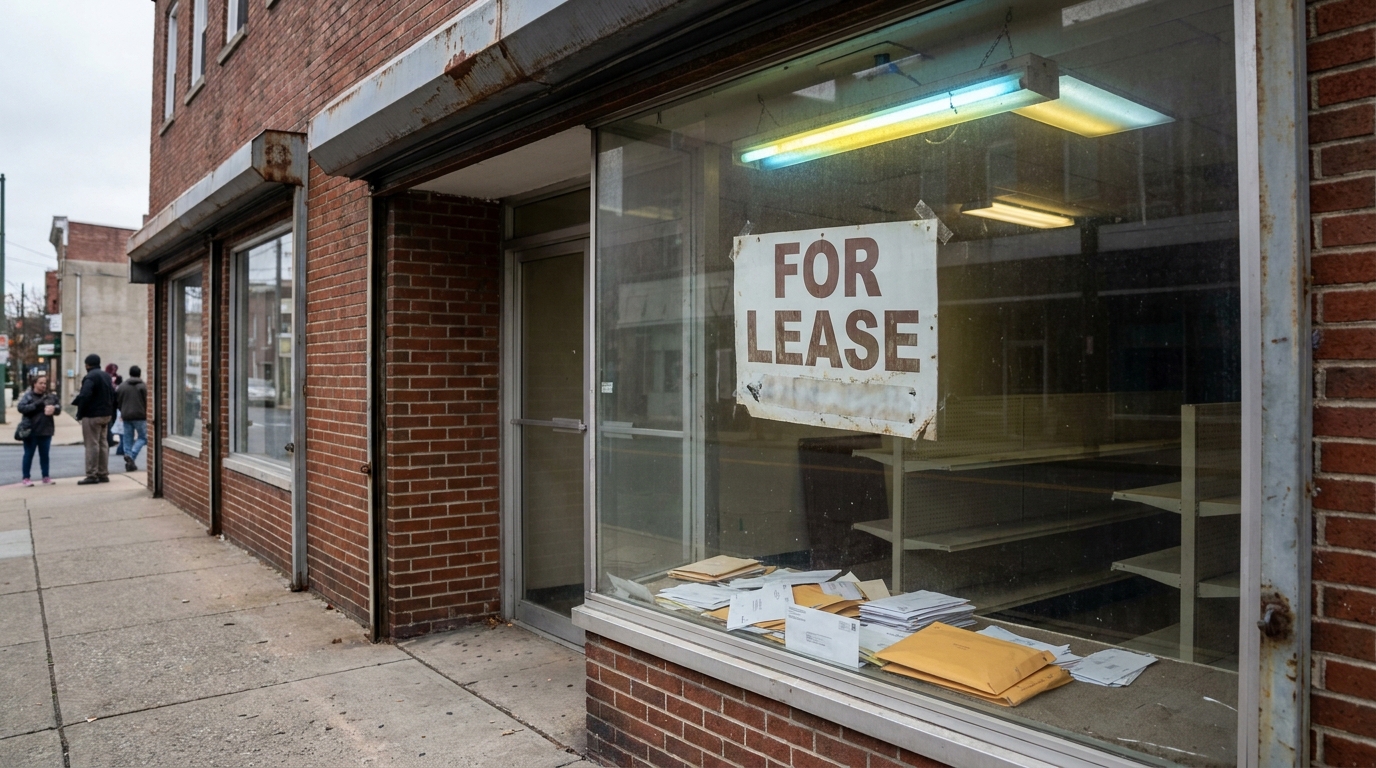
Your Property Plans Are Ready, But Philadelphia’s Zoning Maze Awaits
You’ve drawn up the blueprints, secured financing, and envisioned your new property development or business venture in Philadelphia. Yet one critical hurdle stands between you and breaking ground: the zoning permit process that can stretch 4-6 weeks or longer without proper guidance. If you’re feeling overwhelmed by the complexity of Philadelphia’s zoning requirements, you’re not alone. Property owners across the city face the same challenge daily, trying to understand whether their plans comply with the current Philadelphia Zoning Code implemented on August 22, 2012. The Department of Licenses and Inspections (L&I) issues zoning and change of use approvals in accordance with this code, but navigating the requirements successfully often requires understanding intricate details that aren’t immediately obvious.
💡 Pro Tip: Before diving into the permit application, use Atlas to look up how your property is zoned – this crucial first step can save weeks of delays and help you understand exactly what permits you’ll need.
Don’t let the zoning maze delay your project. RS Law Group is ready to help you cut through red tape and get your plans moving. Reach us at (215)-717-2200 or contact us today!

Understanding Your Property Rights Under Pennsylvania Zoning Laws
Pennsylvania law grants property owners significant rights, but these come with responsibilities defined by both state and local regulations. The Pennsylvania Municipalities Planning Code (MPC) establishes the basic framework for municipalities to plan for community development through comprehensive plans. This framework permits Philadelphia to govern development locally through both zoning ordinances and subdivision and land development ordinances. When you work with a zoning attorney in real estate matters, they can help you understand how these overlapping regulations affect your specific property and plans. The MPC requires a majority vote by the governing body to enact or adopt any land use ordinance, ensuring democratic oversight of zoning changes.
Your rights as a property owner include the ability to apply for permits to change the use of your property or erect new structures or additions. However, these rights come with conditions. No zoning or use registration permit shall be issued if the applicant is delinquent in the payment of any City or School District of Philadelphia taxes. This means that before moving forward with any permit application, you must ensure all tax obligations are current. A Tax Clearance Certificate is required prior to issuance of any permit if you’re delinquent in these payments. Working with a zoning attorney in real estate transactions can help ensure you meet all prerequisites before investing time and resources in the application process.
💡 Pro Tip: Check your tax status with both the City of Philadelphia and School District before beginning any permit application – clearing any delinquencies early prevents frustrating delays later in the process.
Breaking Down the 4-6 Week Timeline: What Really Happens
Understanding the zoning permit timeline helps set realistic expectations and allows you to plan your project accordingly. While the standard process takes 4-6 weeks, several factors can accelerate or delay your application. For urgent projects, accelerated applications for new construction that include plans are reviewed within 5 business days for a fee of $1050, with $350 due when applying. This expedited option can be invaluable when time-sensitive opportunities arise. Applications that don’t require plans are reviewed while you wait at the Permit and License Center, offering the fastest possible turnaround for simpler requests.
- Week 1-2: Initial application review and completeness check by L&I staff
- Week 2-3: Technical review of plans against zoning code requirements – more than one zoning permit may be required before a building permit can be issued
- Week 3-4: Any necessary revisions or additional documentation requests
- Week 4-6: Final review and decision – remember offices close at noon on the last Wednesday of each month, which can affect processing times
- If denied or referred: Appeal process to the Zoning Board of Adjustment (ZBA) adds 4-6 months minimum
💡 Pro Tip: If your project is time-sensitive and includes construction plans, the accelerated review option at $1050 total can save you 3-5 weeks – often worth the investment for business ventures or development deals with strict deadlines.
Strategic Solutions: How RS Law Group Streamlines Your Permit Process
Successfully navigating Philadelphia’s zoning permit process requires more than just filling out forms correctly. It demands strategic thinking about how to present your project in compliance with the Philadelphia Zoning Code while achieving your development goals. A zoning attorney in real estate matters brings valuable experience in interpreting code requirements and presenting applications in ways that address L&I’s concerns proactively. RS Law Group has guided numerous property owners through this process, developing proven strategies that anticipate common roadblocks. The firm’s attorneys understand that knowing your zoning district is the first step in the zoning permit or zoning appeal process, but it’s what comes next that determines success or costly delays.
When L&I reviews your application, they’re looking for specific compliance markers that experienced attorneys know how to highlight. For instance, demonstrating clear alignment with the Department of Community and Economic Development’s (DCED) mission to foster opportunities for businesses to grow and for communities to succeed can strengthen applications for commercial projects. RS Law Group’s approach involves thorough pre-application review to identify potential issues before submission, comprehensive documentation that addresses all code requirements upfront, and strategic positioning that emphasizes your project’s benefits to the community. This preparation often makes the difference between approval within the standard timeline and months of back-and-forth revisions.
💡 Pro Tip: Schedule a consultation with a zoning attorney before submitting your application – catching one overlooked requirement early can prevent weeks of delays and thousands in carrying costs for your project.
Hidden Complexities: When Multiple Permits Collide
One of the most frustrating discoveries for property owners is learning that their project requires multiple zoning permits, each with its own review timeline. More than one zoning permit may be required before a building permit can be issued by L&I for construction or demolition, or before a Certificate of Occupancy can be issued to occupy a building. This layered permitting structure can turn a seemingly straightforward 4-6 week process into a months-long endeavor without proper planning. Understanding these interdependencies from the start allows you to sequence applications strategically, potentially running some reviews concurrently rather than consecutively.
Coordinating Mixed-Use Developments
Mixed-use properties face particular challenges as they often trigger multiple permit requirements for different portions of the same building. A property combining residential units above commercial space might need separate use permits for each component, variance approvals for parking requirements, and special permissions for signage or outdoor seating. Each layer adds complexity and potential delays. The key to success lies in comprehensive planning that considers all necessary permits from the outset. Working with a zoning attorney in real estate development ensures you identify all required approvals early, allowing for strategic sequencing that minimizes overall timeline. These situations particularly benefit from professional guidance to coordinate the various approval processes efficiently.
💡 Pro Tip: Create a detailed permit matrix listing all required approvals, their dependencies, and individual timelines – this visual roadmap helps identify opportunities to run parallel reviews and avoid sequential bottlenecks.
Appeal Strategies: Turning Denials into Approvals
Not every permit application receives approval on the first attempt, but a denial doesn’t mean your project is dead. The Zoning Board of Adjustment (ZBA) is housed within the Philadelphia Department of Planning and Development and serves as your avenue for appeal. The ZBA hears appeals of L&I’s refusal or referral of a zoning permit application and any decision made by L&I in accordance with the Philadelphia Zoning Code. Understanding how to present a compelling appeal can transform an initial setback into eventual success. The ZBA holds hearings on Tuesdays and Wednesdays at 1515 Arch Street on the 18th floor in Room 18-002, and you can attend these hearings in person or remotely.
Building Your Appeal Case
Successful appeals require more than simply disagreeing with L&I’s decision. You must demonstrate either that the denial was based on an incorrect interpretation of the code or that your property merits special consideration due to unique circumstances creating unnecessary hardship. Documenting neighborhood support, showing precedent from similar approved projects, and presenting expert testimony can all strengthen your position. Remember that the ZBA reviews not just refusals but also any zoning-related violation notices, giving you multiple potential grounds for appeal. A zoning attorney in real estate appeals brings crucial experience in crafting arguments that resonate with board members and addressing their specific concerns.
💡 Pro Tip: Attend a ZBA hearing before your own to observe the process, understand what types of arguments succeed, and see how board members typically question appellants – this reconnaissance proves invaluable for your own presentation.
Frequently Asked Questions
Common Concerns About Philadelphia’s Zoning Process
Property owners and developers often have similar questions when facing the permit process for the first time. Understanding these common concerns helps you prepare more effectively and avoid typical pitfalls that can delay your project.
💡 Pro Tip: Keep a detailed log of all interactions with L&I, including dates, names, and specific feedback – this documentation proves invaluable if questions arise later or if you need to appeal.
Next Steps in Your Zoning Journey
Once you understand the process basics, taking concrete action becomes less daunting. Whether you choose to proceed independently or seek professional assistance, knowing what to expect empowers better decision-making throughout your permit journey.
💡 Pro Tip: Start your permit process at least 3 months before your intended construction start date – this buffer allows for unexpected delays without jeopardizing your overall project timeline.
1. How can I expedite my Philadelphia zoning permit if I need approval faster than 4-6 weeks?
You have two expedited options depending on your project type. If your application includes construction plans, you can pay for accelerated review, which costs $1050 total ($350 due at application) and guarantees review within 5 business days. For simpler applications that don’t require plans, visit the Permit and License Center where staff review applications while you wait. Remember to make an appointment for in-person visits, as walk-ins are no longer accepted.
2. What happens if I disagree with L&I’s denial of my zoning permit application?
You have the right to appeal any L&I decision to the Zoning Board of Adjustment. The ZBA meets on Tuesdays and Wednesdays at 1515 Arch Street, 18th floor, and you can participate either in person or remotely. The appeal process typically adds 60-90 days to your timeline, but many initially denied applications ultimately receive approval through this process, especially when represented by experienced counsel who can effectively present your case.
3. Do I need to hire a Pennsylvania zoning lawyer for a standard permit application?
While not legally required, professional representation often proves cost-effective by preventing delays and denials. Simple, straightforward applications for uses clearly permitted in your zoning district might proceed smoothly without an attorney. However, if your project involves variances, multiple permits, or any complexity beyond basic use permissions, legal guidance typically saves time and money by getting approvals right the first time.
4. Can I start interior renovations while waiting for my zoning permit approval?
This depends entirely on the scope of work and whether it triggers permit requirements. Cosmetic updates like painting typically don’t require permits, but structural changes, electrical work, or plumbing modifications usually do. Starting work without required permits can result in stop-work orders, fines, and having to tear out completed work. Always verify permit requirements before beginning any construction activity.
5. What’s the difference between applying online through eCLIPSE versus in-person at the Permit Center?
Both methods ultimately reach the same reviewers, but each has advantages. Online eCLIPSE applications allow you to submit anytime without leaving your office and track status electronically. In-person visits to the Permit and License Center at 1401 John F. Kennedy Blvd. (open 8 a.m. to 3:30 p.m., Monday through Friday) enable direct conversations with staff who might spot issues immediately. For complex applications, many find combining both approaches most effective – starting online then following up in person for clarification.
Work with a Trusted Zoning Lawyer
Successfully navigating Philadelphia’s zoning permit process requires understanding both the written regulations and the unwritten practices that expedite approvals. While the city provides resources and staff assistance, the complexity of modern development projects often demands professional legal guidance to avoid costly missteps. Experienced zoning attorneys bring relationships with city officials, knowledge of recent code interpretations, and strategies developed through hundreds of successful applications. They can identify potential roadblocks before they derail your timeline and present your project in ways that align with the city’s development goals. When selecting legal representation, look for attorneys with specific experience in Philadelphia’s zoning process, a track record with projects similar to yours, and clear communication about process and expectations. The investment in qualified legal counsel typically pays dividends through faster approvals, fewer revisions, and avoided appeals.
Facing the twists and turns of Philadelphia’s zoning regulations can be challenging, but RS Law Group is here to pave the way for you. Reach out to us at (215)-717-2200 or contact us and let us help move your project from vision to reality.