When Your Zoning Application Gets Denied: Understanding the True Costs
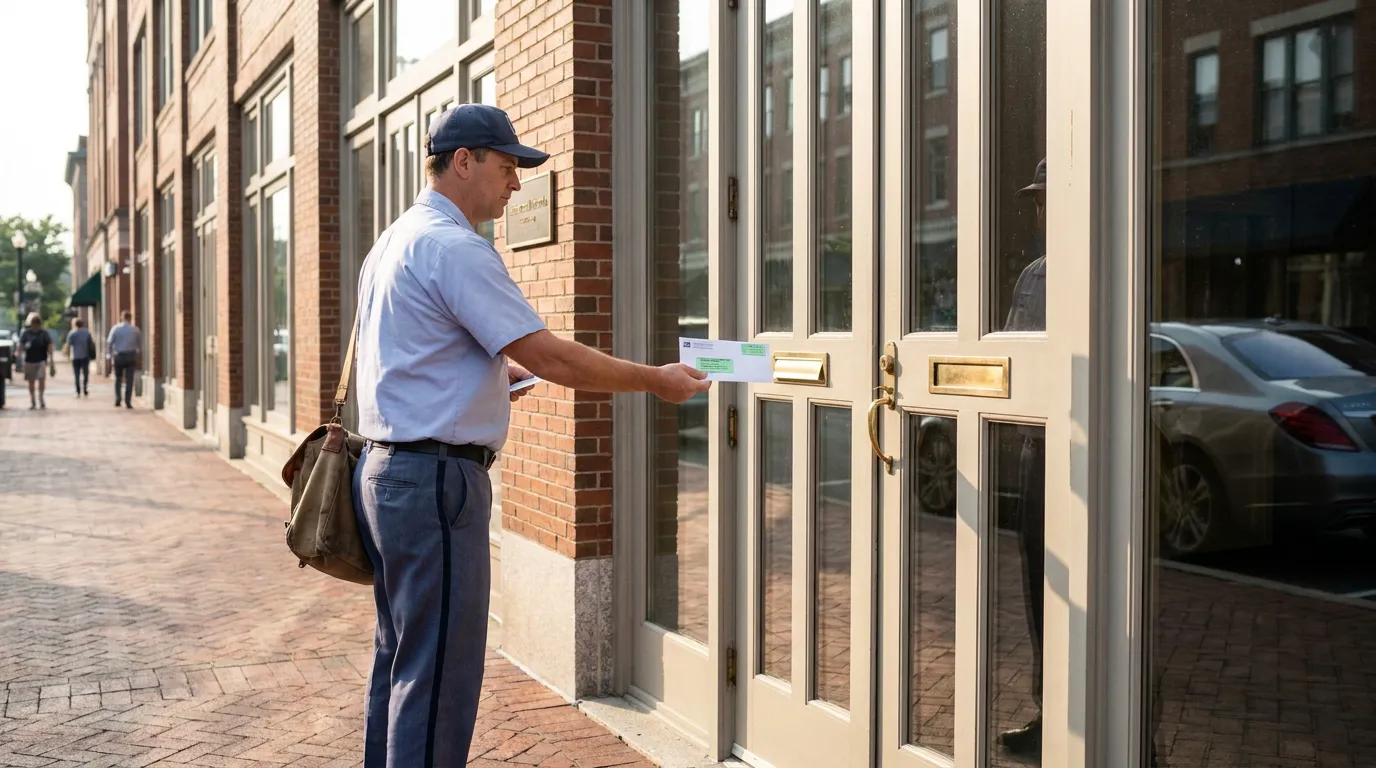
You’ve spent months planning your property project, carefully reviewing zoning codes, and submitting your application to the Department of Licenses and Inspections (L&I). Then the refusal letter arrives. You’ll need to navigate the appeals process with filing fees ranging from $125 to $1,000 just to have your case heard by the Zoning Board of Adjustment (ZBA). But the financial burden extends far beyond these initial fees, and understanding the full scope helps you make informed decisions about your property rights.
When L&I refuses your zoning or use registration application, you have exactly 30 days to file an appeal with the ZBA. This tight timeline means you need to act quickly while understanding the costs involved and whether legal representation might be necessary. The appeal process requires strategic preparation, proper documentation, and often professional guidance to navigate Pennsylvania’s complex zoning laws effectively.
�💡 Pro Tip: Mark your calendar immediately upon receiving a refusal—the 30-day deadline is strict, and missing it means losing your right to appeal entirely. Set reminders at the 15-day and 25-day marks.
Don’t let zoning hurdles stand in the way of your property ambitions. Reach out to the RS Law Group for straightforward guidance on navigating appeals and protecting your rights. Give us a call at (215) 717-2200 or contact us to start planning your next steps today.

Your Rights When Facing a Zoning Denial
Pennsylvania law provides property owners with specific rights to challenge zoning decisions. When working with a zoning attorney in real estate matters, you’ll discover that the appeal process follows a structured pathway designed to ensure fair review. The ZBA serves as an independent body that can overturn L&I decisions when proper grounds exist, including hardship claims, dimensional variance requests, or challenges to zoning code interpretations.
The fee structure for ZBA appeals reflects the property type involved, but procedural filing requirements are the same across property types. Existing one-or two-family dwellings carry the lowest fee at $125, while new one-or two-family dwellings and all other properties require a $300 filing fee. Additional services like administrative review cost $200, reposting of notices runs $65, and accelerated hearings cost an additional $750 per property with a maximum cap of $2,250. These fees represent just the beginning of your financial investment. Representation rules vary by the applicant’s legal status (individual versus corporation/LLC), not by property type.
Beyond basic filing fees, understand your representation options. Individual property owners may appear pro se or hire an attorney authorized to practice in Pennsylvania. However, corporations, including nonprofit organizations and LLCs, must be represented by a Pennsylvania-authorized attorney—no exceptions. Partnerships allow appearance by a partner with written authorization from the general or managing partner, or through legal counsel.
�💡 Pro Tip: Document everything from your initial L&I application through the refusal. A complete paper trail strengthens your appeal and helps your attorney identify the strongest grounds for challenging the denial.
The Step-by-Step Appeal Process and Critical Deadlines
Time moves quickly in zoning appeals, and missing a deadline can permanently bar your ability to challenge a decision. Once you receive that refusal from L&I, your 30-day clock starts immediately. This timeline applies whether you plan to handle the appeal yourself or work with a zoning attorney in real estate law. Philadelphia offers multiple filing methods to accommodate different schedules and preferences.
-
Day 1-10: Review the refusal letter carefully, identifying specific denial reasons and gathering all original application materials
-
Day 10-20: Decide on representation (corporations and LLCs must have an attorney) and begin preparing your appeal package
-
Day 20-25: Complete your appeal application, ensuring all required documents are included—incomplete applications will not be processed
-
Day 25-30: File your appeal via eCLIPSE (online with PDF upload and electronic payment), by mail (postmark accepted as filing date), or in person at 1515 Arch St., 18th Floor, Room 18-006 (appointment required)
-
After filing: The ZBA’s rules do not promise fixed scheduling windows; accelerated hearings are scheduled “at the first available date” (accelerated fee $750), and standard hearing wait times have frequently exceeded 60-90 days—recent reporting found average waits around six months.
-
Post-ZBA decision: If denied, you have another 30 days to appeal to the Court of Common Pleas
�💡 Pro Tip: If mailing your appeal, send it via certified mail with return receipt at least 5 days before the deadline. The postmark date counts as your filing date.
Strategic Options: Why Working with a Zoning Attorney in Real Estate Matters
While filing fees seem straightforward, the real cost of a zoning appeal often lies in procedural errors or weak legal arguments. A zoning attorney in real estate can help you evaluate whether your case has merit before you invest time and money. RS Law Group understands that property owners need honest assessments about their chances of success, potential total costs, and alternative strategies that might achieve their goals without formal appeals.
The decision to appeal zoning decision to Philadelphia ZBA requires careful consideration of multiple factors beyond filing fees. Your attorney can help identify whether you’re seeking a use variance (typically harder to obtain), a dimensional variance (often more feasible), or challenging the zoning officer’s interpretation. Each type of appeal requires different legal standards and evidence, and presenting the wrong arguments can doom your case regardless of its underlying merits.
Cost considerations extend beyond fees and legal representation. Factor in the time value of delays to your project, potential carrying costs on property, and the possibility of needing to redesign plans if your appeal fails. Sometimes, working with experienced counsel to negotiate modifications with L&I before filing an appeal can save thousands of dollars and months of delays.
�💡 Pro Tip: Before committing to an appeal, calculate the true cost of delay to your project. If each month costs you $2,000 in carrying costs, a $750 accelerated hearing fee might actually save money.
Hidden Costs and Common Pitfalls in Zoning Appeals
Beyond stated filing fees, property owners often encounter unexpected expenses that dramatically increase the total cost. When you consult a lawyer about your case, they’ll likely discuss these potential costs upfront. Professional testimony from architects, engineers, or planning consultants often proves essential for variance requests, with expert witnesses typically charging $150-$500 per hour. Site surveys, traffic studies, and environmental assessments may also be necessary depending on your specific situation.
Documentation and Evidence Expenses
The quality of your presentation to the ZBA can make or break your case. Professional renderings, detailed site plans, and neighborhood impact studies demonstrate serious commitment and help board members visualize your proposal. Many successful appeals include letters of support from neighbors, which may require community meetings or individual outreach efforts. A zoning attorney in real estate matters can advise which documentation investments provide the best return for your specific case type.
�💡 Pro Tip: Start gathering neighbor support early—before filing your appeal. Positive neighbor testimony can be invaluable, and it’s harder to win neighbors over once formal proceedings begin.
Long-Term Financial Impact of Zoning Decisions
The $125-$300 filing fee represents just the tip of the iceberg when considering financial implications of zoning matters. Property values can swing dramatically based on permitted uses, and a successful appeal might add tens or hundreds of thousands of dollars to your property’s worth. Conversely, accepting a denial without appeal could permanently limit your property’s development potential and market value. This is why many property owners view legal fees and appeal costs as investments rather than expenses.
Calculating Return on Investment
Smart property owners analyze zoning appeals like any other business decision. If changing your property from residential to mixed-use zoning could increase its value by $200,000, spending $10,000-$20,000 on a comprehensive appeal strategy makes financial sense. However, if you’re seeking a minor dimensional variance that provides minimal economic benefit, explore less costly alternatives. Working with a zoning attorney in real estate helps ensure your cost-benefit analysis includes all relevant factors.
�💡 Pro Tip: Request a property valuation analysis from a qualified appraiser showing values under current zoning versus your desired zoning. This concrete data strengthens hardship arguments and justifies your investment.
Special Considerations for Complex Properties
Commercial properties, multi-family developments, and special use facilities face unique challenges in the zoning appeal process. The Pennsylvania Bar UPL Opinion 99-101 on Zoning Board Representation emphasizes that these property types often require attorney representation not just by rule, but by practical necessity. Complex properties typically involve multiple stakeholders, intricate financing arrangements, and sophisticated legal arguments that demand professional handling.
Accelerated Hearings and Time-Sensitive Projects
For developers and businesses operating under tight timelines, the $750 per property accelerated hearing fee (capped at $2,250) might represent a bargain compared to extended carrying costs and lost opportunities. Construction loans, purchase option deadlines, and seasonal business considerations can make every week count. A zoning attorney in real estate transactions understands these pressures and can help determine whether expedited processing justifies the additional expense.
�💡 Pro Tip: If considering an accelerated hearing, prepare your complete appeal package before filing. Accelerated hearings move quickly, and you won’t have time to supplement incomplete submissions without risking procedural dismissal.
Frequently Asked Questions
Common Legal Concerns About Zoning Appeals
Property owners facing zoning denials often share similar concerns about costs, timelines, and success rates. Understanding these common issues helps you prepare for your own appeal journey.
Next Steps and Legal Process
After understanding the fee structure and timeline, property owners need clear guidance on moving forward. The following questions address the most common concerns about initiating and managing a zoning appeal.
1. Do I really need to hire a Philadelphia zoning attorney if I’m just appealing a simple variance denial?
While individuals can represent themselves before the ZBA, the complexity of zoning law and permanent impact of these decisions often justify professional representation. Even “simple” variances require proper legal arguments, evidence presentation, and procedural compliance. An experienced attorney can identify alternative arguments or negotiate solutions that non-lawyers might miss. Legal representation costs typically pale compared to long-term property value implications.
2. What happens if I can’t afford both the filing fees and legal representation for my Pennsylvania zoning appeal?
If budget constraints exist, prioritize based on your entity type and case complexity. Corporations and LLCs must have attorney representation—it’s not optional. For individual property owners, consider starting with a consultation to assess your case’s merits. Some attorneys offer unbundled services, helping with specific appeal components rather than full representation. Also investigate whether your homeowner’s insurance or title insurance might cover zoning-related legal expenses.
3. How long does the entire Philadelphia zoning appeal process typically take from filing to final decision?
Standard ZBA hearings do not have guaranteed scheduling windows and have frequently taken longer; reporting has found average waits around six months. Decisions are issued after the hearing, but timing varies. Expect the ZBA process to often take several months; accelerated hearings are scheduled at the first available date and may shorten the timeline, but there is no specific guarantee. If you need to appeal further to Common Pleas Court, add another 6-12 months minimum.
4. Can I file my ZBA appeal online, and are there any advantages to using eCLIPSE versus mailing or in-person filing?
Yes, eCLIPSE allows complete online filing with PDF document upload and electronic payment processing. Online filing provides immediate confirmation, eliminates mailing delays, and creates a clear electronic record. Ensure your PDF package is complete and properly formatted before uploading, as incomplete applications won’t be processed regardless of filing method.
5. What are my options if the ZBA denies my appeal—is Common Pleas Court my only recourse?
While appealing to Common Pleas Court within 30 days of ZBA denial is your primary legal recourse, other options might exist. You could reapply with a modified proposal addressing the board’s concerns, seek a text amendment to the zoning code through City Council, or explore whether your goals can be achieved through different zoning mechanisms. An experienced attorney can help evaluate which option best serves your specific situation and budget.
Work with a Trusted Zoning Lawyer
Navigating the Philadelphia zoning appeal process requires more than just paying filing fees and hoping for the best. The intricate requirements, strict deadlines, and complex legal standards demand careful attention and strategic planning. At RS Law Group, we understand that every dollar matters when you’re investing in your property’s future. We provide transparent fee structures, honest assessments of your case’s merits, and strategic guidance designed to maximize your chances of success while managing costs effectively. Contact us to discuss your zoning concerns and learn how we can help protect your property rights and investment.
Don’t let zoning challenges slow down your progress. Connect with RS Law Group for clear advice on navigating your appeals and keeping your property dreams on track. Dial (215)-717-2200 or contact us for personalized guidance today.