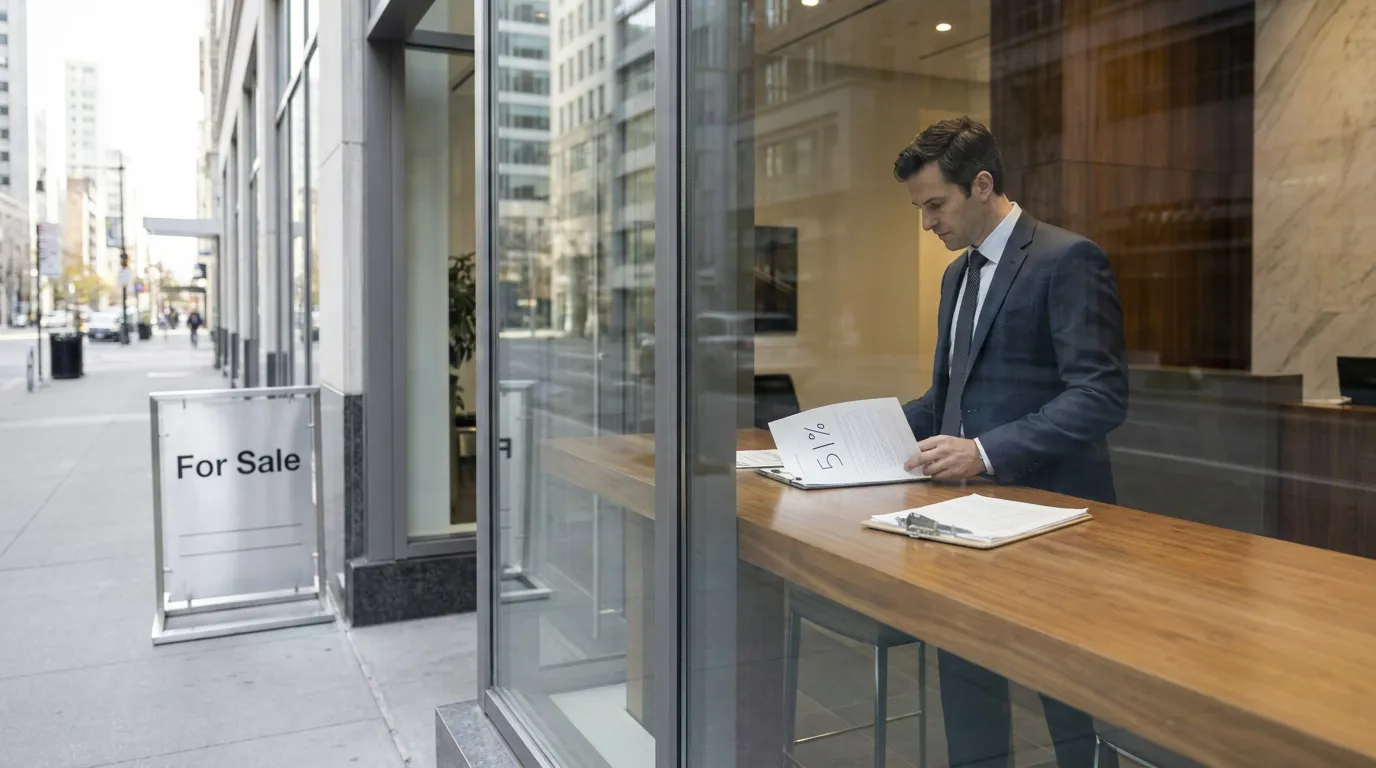

Commercial lease disputes can significantly disrupt business operations and create financial strain for both landlords and tenants in Philadelphia’s vibrant Market District. Whether you’re a business owner facing unexpected rent increases or a property owner dealing with a tenant who’s violating lease terms, understanding the common conflicts that arise in commercial real estate relationships is essential for protecting your interests. These disputes often involve complex contractual language, substantial financial implications, and the potential for lengthy litigation if not addressed properly. Let’s explore the most frequent commercial lease disputes in this bustling Philadelphia business hub and what you can do to effectively resolve them.
Don’t let commercial lease disputes disrupt your business in Philadelphia’s bustling Market District. Reach out to RS Law Group for a strategic approach that aligns with your business goals. Call us at (215)-717-2200 or contact us today to safeguard your interests and ensure a smooth resolution.

Commercial real estate transactions in Pennsylvania are governed by state contract law, property statutes, and specific local ordinances that apply to Philadelphia properties. Unlike residential leases, commercial agreements offer fewer automatic protections for tenants, operating under the assumption that business entities have equal bargaining power. This makes the initial drafting and negotiation of your lease agreement critically important. Commercial lease disputes often hinge on precise interpretations of lease language, which is why having a Philadelphia commercial lease lawyer review any agreement before signing can prevent costly conflicts later. Understanding your rights and obligations under Pennsylvania law provides the foundation for both preventing and resolving disputes when they arise. Commercial property relationships in Philadelphia are also influenced by local building codes, zoning regulations, and business licensing requirements that can affect how disputes are interpreted by courts.
Commercial lease disputes in Philadelphia typically follow a predictable timeline, though the complexity and specific circumstances of each case can vary significantly. Understanding this process can help both landlords and tenants prepare effectively and potentially resolve issues before they escalate to litigation. The Philadelphia Court of Common Pleas generally handles commercial real estate disputes, with cases typically taking 12-18 months to reach resolution if they go through the full litigation process. However, many disputes are resolved much earlier through negotiation or alternative dispute resolution methods.
Initial dispute identification and informal resolution attempts between parties (typically 30-60 days)
Formal notice of default or breach as specified in the lease agreement, which usually triggers cure periods of 10-30 days depending on the violation type
Mediation proceedings if required by the lease terms, which can add 30-90 days but significantly reduce resolution costs compared to litigation
Filing of legal action in Philadelphia courts if mediation fails, with preliminary motions and discovery extending 3-6 months
Trial preparation and court proceedings, which can extend another 6-12 months in Philadelphia’s busy commercial courts
Post-judgment enforcement or appeal processes that may add months or years to final resolution
Practical business relationship repair or termination, which often continues long after the legal dispute ends
When facing a Philadelphia commercial lease dispute, having experienced legal counsel can make the difference between a costly, prolonged battle and an efficient resolution that protects your business interests. RS Law Group’s commercial real estate attorneys bring deep knowledge of Pennsylvania property law and Philadelphia’s unique commercial landscape to every case. We approach each dispute with a strategic mindset, first assessing whether negotiation or alternative dispute resolution methods might achieve your goals more efficiently than litigation. Our team carefully analyzes lease documentation, identifies potential violations or misinterpretations, and develops evidence-based arguments to support your position. For landlords, this might involve creating proper default notices and following precise procedures for remedy enforcement. For tenants, we focus on identifying landlord obligations that haven’t been fulfilled or improper charges being assessed. Whether you’re dealing with rent disputes, maintenance conflicts, or lease termination issues, our goal is to resolve your commercial property dispute in a manner that supports your long-term business objectives while minimizing disruption to your operations.
Commercial property relationships in Philadelphia’s Market District frequently encounter several specific types of conflicts that can disrupt business operations and create financial strain. Understanding these common disputes can help both landlords and tenants take preventative measures and know what to expect if issues arise. Each of these dispute categories presents unique challenges under Pennsylvania real estate law and requires specific approaches to resolution. Let’s examine the most frequent sources of conflict in commercial lease relationships throughout Philadelphia.
Disputes over rent increases and operating expense calculations for commercial real estate represent one of the most frequent sources of conflict between commercial landlords and tenants in Philadelphia. These disagreements typically arise when tenants receive annual Common Area Maintenance (CAM) reconciliations or operating expense pass-throughs that significantly exceed their expectations. Many commercial leases in Philadelphia use a “base year” calculation method where tenants pay increases over a reference year, but disputes emerge when parties disagree about which expenses should be included or how they should be calculated. Triple net (NNN) leases are particularly prone to disputes as tenants bear responsibility for taxes, insurance, and maintenance costs. We’ve seen cases where Philadelphia landlords inadvertently or deliberately included capital improvements in operating expense calculations, despite lease language excluding such costs. These disputes often require forensic accounting and careful lease interpretation to resolve properly.
Commercial property maintenance disputes represent a significant source of conflict between landlords and tenants in Philadelphia’s Market District. These disagreements typically stem from unclear lease language regarding which party bears responsibility for specific repair and maintenance obligations. Pennsylvania law generally places the burden of major structural repairs on landlords unless the lease explicitly shifts this responsibility. However, the interpretation of what constitutes a “structural” versus “non-structural” repair is frequently contested. Additionally, disputes often arise over the standard of maintenance required, with terms like “good repair” or “reasonable condition” being subjectively interpreted by each party. Commercial tenants in Philadelphia must be particularly vigilant about documenting property conditions upon move-in and throughout the lease term, as this evidence becomes crucial if disputes later arise.
Conflicts regarding building services and utilities represent another common dispute category for Philadelphia commercial properties. These typically involve disagreements over HVAC services, elevator maintenance, security provisions, or utility billing methodologies. Many Market District buildings in Philadelphia have aging infrastructure, leading to disputes when systems fail to perform adequately for modern business needs. Full-service leases often become contentious when tenants believe services are below the standard promised, while tenants in multi-metered buildings may dispute the accuracy or fairness of utility allocations. Pennsylvania courts generally look closely at specific lease language when adjudicating these disputes, particularly regarding promised service levels, maintenance schedules, and after-hours service provisions. Careful documentation of service interruptions, communications with management, and any business losses resulting from inadequate building services is essential for tenants pursuing these claims.
Disputes surrounding lease termination and renewal rights create some of the most contentious commercial real estate conflicts in Philadelphia. These disagreements often involve complicated notice requirements, renewal option terms, or disagreements about whether conditions for proper termination have been satisfied. Pennsylvania courts strictly enforce notice provisions in commercial leases, making it essential for both landlords and tenants to understand and precisely follow timing requirements for exercising options or providing termination notices. Market District properties in Philadelphia often have specific renewal terms tied to market rates, leading to disputes about proper valuation methods and comparable properties when determining renewal rates. Additionally, disputes frequently arise when tenants attempt to assign leases or sublease space, particularly when lease language gives landlords broad discretion to approve or reject proposed new occupants.
Commercial lease disputes in Philadelphia often revolve around permitted use clauses and zoning compliance. These conflicts typically emerge when tenants wish to modify their business operations or when landlords seek to enforce use restrictions. Philadelphia’s zoning code has undergone significant revisions in recent years, creating situations where a tenant’s intended use might be permissible under current zoning but prohibited by outdated lease language. Additionally, exclusive use provisions in shopping centers and multi-tenant commercial buildings frequently generate disputes when new tenants appear to violate another tenant’s protected business category. These conflicts can become particularly complex in Philadelphia’s Market District, where mixed-use developments combine retail, restaurant, office, and sometimes residential components. Courts in Pennsylvania typically interpret use restrictions fairly strictly in commercial contexts, making it essential for tenants to negotiate clear, flexible use provisions during initial lease negotiations.
Conflicts over security deposit returns represent another common commercial lease dispute in Philadelphia. Unlike residential security deposits, which are governed by Pennsylvania’s Landlord and Tenant Act with specific timelines and interest requirements, commercial security deposits have fewer statutory protections. This regulatory gap often leads to disputes when leases end and tenants expect prompt returns of substantial security deposits. Commercial landlords in Philadelphia typically require security deposits equivalent to multiple months’ rent, representing significant capital that businesses need for relocating or expanding operations. Disputes typically arise over damage assessments, with landlords and tenants disagreeing about whether conditions represent normal wear and tear versus damage requiring repair. Additionally, some lease agreements contain provisions allowing landlords to apply security deposits to unpaid rent or other charges, leading to disputes about the validity of such charges. These conflicts often require detailed documentation of property conditions at both the beginning and end of the lease term.
Disputes involving a tenant’s right to quiet enjoyment are increasingly common in Philadelphia’s busy commercial districts. Pennsylvania law implies a covenant of quiet enjoyment in all leases, which essentially guarantees tenants the right to use and enjoy their leased premises without substantial interference. In Philadelphia’s Market District, these disputes often arise during renovation projects in multi-tenant buildings, when construction noise, dust, vibration, or access restrictions significantly impact a business’s operations. Other common triggers include disputes about neighboring tenants creating excessive noise, odors, or parking conflicts that interfere with business operations. These cases typically hinge on whether the interference is substantial enough to constitute a breach and whether the landlord had knowledge of and failed to address the problem. Successful quiet enjoyment claims may allow tenants to withhold rent, terminate leases, or recover damages for business losses, making these disputes particularly high-stakes for both parties.
Disputes regarding signage rights and exterior modifications represent a significant source of conflict in Philadelphia’s commercial properties, particularly in the historic Market District where building aesthetics and brand visibility are crucial business considerations. These conflicts typically arise when tenants wish to install, modify, or expand exterior signage or make alterations to storefront designs. Many Philadelphia buildings have specific signage restrictions in their leases, sometimes supplemented by building rules and regulations that can change during the lease term. Additionally, Philadelphia’s sign code and historic district regulations add another layer of complexity, sometimes creating situations where a modification might be permissible under the lease but prohibited by local ordinances. These disputes often involve complex negotiations with multiple stakeholders, including landlords, building management, city officials, and sometimes neighboring tenants with competing interests.
Disputes over default procedures and remedy enforcement represent some of the most legally complex commercial lease conflicts in Philadelphia. These disputes typically focus on whether proper procedures were followed when declaring a tenant in default or when exercising remedies like lease termination, acceleration of rent, or eviction. Pennsylvania courts require strict compliance with notice provisions and cure periods specified in commercial leases before landlords can exercise remedies. Commercial leases in Philadelphia often contain detailed default provisions with different notice requirements and cure periods depending on the type of default (monetary versus non-monetary). Disputes frequently arise over whether notices were properly delivered, whether the alleged default was accurately characterized, or whether cure periods were properly observed. These procedural disputes can significantly delay enforcement actions and sometimes provide tenants with valid defenses against eviction or other remedies, even when the underlying default is not disputed.
A Philadelphia commercial lease lawyer can provide invaluable assistance with rent increase disputes by first analyzing your lease agreement to determine whether the increases comply with the specific terms negotiated. They can review operating expense calculations, challenge improper pass-through charges, and negotiate with landlords to correct calculation errors. If negotiations fail, your attorney can pursue formal dispute resolution through mediation or litigation as appropriate. Commercial lease attorneys in Philadelphia also frequently assist with lease audits to verify the accuracy of CAM and operating expense reconciliations, helping to identify overcharges that might otherwise go undetected. Having legal representation often changes the dynamics of these negotiations, as landlords understand that improper charges may lead to litigation if not properly addressed.
As a commercial tenant in Philadelphia facing property maintenance issues, your rights stem primarily from your lease agreement rather than statutory protections. Pennsylvania commercial lease law generally requires landlords to maintain structural elements and common areas unless the lease explicitly transfers these responsibilities to tenants. If your landlord fails to perform required maintenance, you may have several potential remedies depending on your lease terms, including: (1) the right to make repairs and deduct reasonable costs from rent after proper notice; (2) rent abatement if the space becomes partially unusable; (3) lease termination if the premises become substantially unusable for your intended purpose; or (4) damages for business losses caused by the landlord’s breach. However, exercising these remedies requires careful adherence to lease notice provisions and often benefits from legal guidance from a PA real estate attorney to avoid potentially being deemed in default yourself.
If you receive an eviction notice for your Philadelphia commercial property, you should take immediate action to protect your business interests. First, carefully review the notice to understand the alleged default and any cure periods provided. Document the date you received the notice, as cure periods typically begin running from receipt. Contact a Philadelphia property dispute lawyer immediately to review your lease and the notice to determine if the landlord has followed proper procedures and if the claimed default is valid. If the default is curable, take prompt action to remedy it within the specified period and document your compliance efforts. Your attorney can help negotiate with the landlord, potentially securing additional time or working out a payment plan for monetary defaults. If the eviction proceeds to court, your lawyer can represent you in the proceedings, raising any applicable defenses and working to protect your business from sudden displacement.
Disputes over commercial lease renewals in Pennsylvania are typically resolved through a multi-step process that begins with careful analysis of the lease’s renewal provisions. Most commercial leases in PA specify exact procedures for exercising renewal options, including notice timing, delivery methods, and sometimes conditions like the tenant not being in default. When disputes arise, they often focus on whether renewal notices were properly delivered within required timeframes or whether renewal terms (particularly rental rates) were properly calculated. Initial resolution usually involves negotiation between parties, often with assistance from their respective attorneys. If direct negotiation fails, many commercial leases require mediation before litigation. For cases involving fair market value determinations, leases often specify an appraisal process using independent commercial real estate professionals. If these methods fail, the dispute may proceed to court, where Pennsylvania judges typically enforce renewal provisions strictly as written, making precise compliance with renewal procedures essential.
A commercial tenant in Philadelphia may have the right to terminate their lease early if the landlord commits a material breach of the agreement, but this remedy is not automatic and requires careful legal analysis. Under Pennsylvania law, not all landlord breaches justify lease termination – the breach must be “material” or substantial enough to fundamentally undermine the purpose of the lease. Common landlord breaches that might justify early termination include failure to provide essential services, breach of exclusive use provisions, or substantial interference with quiet enjoyment. Before pursuing termination, tenants must typically provide formal notice of the breach and allow the landlord an opportunity to cure as specified in the lease. Tenants considering early termination should consult with a commercial tenant attorney Philadelphia to evaluate whether the breach qualifies as material and to ensure proper documentation of the breach, notices, and damages. Improper lease termination could expose the tenant to significant liability for remaining rent and damages, making professional legal guidance essential before taking this serious step.
Commercial lease disputes can threaten your business operations, financial stability, and long-term goals. When facing conflicts over your Philadelphia commercial property, working with an attorney who understands both the legal and practical business implications is crucial. RS Law Group’s commercial real estate team brings decades of combined experience representing both landlords and tenants throughout Pennsylvania. We begin each case with a thorough analysis of your lease agreement, identification of your specific goals, and development of a strategic approach tailored to your business needs. Our attorneys can assist with negotiating favorable resolutions when possible, representing you in mediation or arbitration proceedings if required by your lease, or advocating forcefully for your interests in court when necessary. Whether you’re dealing with rent disputes, maintenance conflicts, lease termination issues, or any other commercial property challenge, having knowledgeable legal counsel can make the difference between a costly, protracted battle and an efficient resolution that protects your business interests. Contact a Philadelphia commercial lease lawyer today to discuss your specific situation and explore your legal options.
Don’t let commercial lease disputes throw a wrench in your business operations in Philadelphia’s Market District. Connect with RS Law Group for a tailored legal strategy that aligns with your business objectives. Give us a ring at (215)-717-2200 or contact us today to protect your interests and ensure a seamless resolution.