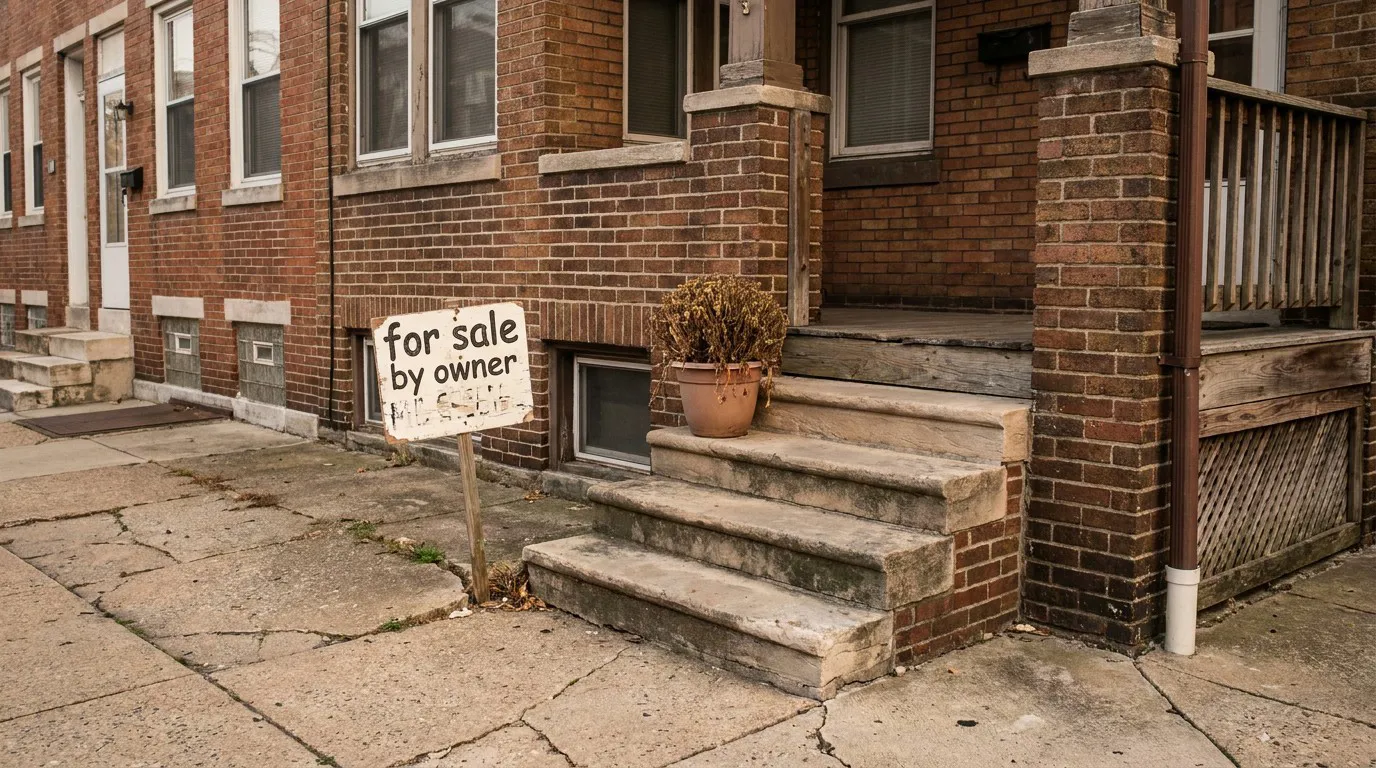

You’ve found the perfect home, negotiated the price, and signed the purchase agreement—only to have the seller suddenly refuse to close, fail to make agreed-upon repairs, or breach other contract terms. This devastating situation leaves many buyers feeling helpless and uncertain about their rights. When a seller breaches a real estate purchase agreement in Pennsylvania, you have specific legal remedies available to protect your investment and enforce the contract. Understanding these options and acting quickly can mean the difference between losing your dream home and successfully completing the purchase or recovering damages.
Pro Tip: Document every communication with the seller after a suspected breach—save emails, texts, and voicemails, as these become crucial evidence if legal action becomes necessary.
When a real estate deal crumbles, it’s time to act decisively. Reach out to RS Law Group at (215)-717-2200 or contact us today. Let’s turn your setback into a stepping stone toward securing your dream home or recovering what’s rightfully yours.

Under Pennsylvania law, when a seller breaches a real estate purchase agreement, buyers have several powerful legal remedies. The most common include specific performance (forcing the seller to complete the sale), monetary damages, or return of your earnest money deposit with additional compensation. According to 49 Pa. Code § 35.333 – Agreements of sale, real estate contracts must meet specific requirements to be enforceable, and sellers who sign these agreements are legally bound to honor their terms. A Real Estate Litigation Attorney in Philadelphia can help you determine which remedy best suits your situation based on the nature of the breach and your ultimate goals.
The Pennsylvania Real Estate Commission, established under Act of Feb. 19, 1980, P.L. 15, No. 9, oversees real estate transactions and ensures compliance with state regulations. This regulatory framework provides additional protections for buyers, especially when sellers fail to provide required disclosures or attempt to back out of contracts without legal justification. The commission grants and renews licenses to persons who bear a good reputation for honesty, trustworthiness, integrity and competence, creating accountability standards that protect buyers throughout the transaction process.
Pro Tip: Request a copy of the seller’s property disclosure statement immediately if you haven’t received one—Pennsylvania law requires sellers to provide this document, and failure to do so can strengthen your breach of contract claim.
Time is crucial when dealing with a seller’s breach of contract. Pennsylvania’s statute of limitations for breach of contract claims, as outlined in 42 Pa.C.S. § 5525 – Four year limitation, gives you four years from the date of breach to file a lawsuit. However, waiting even a few weeks can significantly impact your case. Real estate markets move quickly, and delays might result in lost opportunities, increased damages, or difficulties proving your case. Working with a Real Estate Litigation Attorney in Philadelphia ensures you meet all critical deadlines while building the strongest possible case.
Pro Tip: Keep detailed records of all expenses incurred due to the breach, including additional housing costs, storage fees, and mortgage rate changes—these may be recoverable as damages.
At RS Law Group, we understand the emotional and financial stress that comes with a breached real estate contract. Our approach combines aggressive advocacy with practical solutions tailored to your specific situation. Whether you’re seeking to force the sale through specific performance or recover monetary damages, our Real Estate Litigation Attorney in Philadelphia team has the experience and resources to protect your interests. We begin by thoroughly analyzing your purchase agreement, identifying all instances of breach, and calculating your damages. From there, we develop a strategic plan that might include filing a lis pendens to prevent the property from being sold to another buyer, pursuing expedited court relief, or negotiating a favorable settlement that compensates you for your losses.
Pro Tip: Consider whether specific performance (forcing the sale) or monetary damages better serves your needs—your attorney can help evaluate factors like current market conditions and your personal circumstances.
Seller breaches come in many forms, each with different legal implications and remedies. The most straightforward breach occurs when a seller simply refuses to close without legal justification. However, breaches can also include failing to make agreed-upon repairs, refusing to clear title defects, violating the Pennsylvania Real Estate Seller Disclosure Law by hiding material defects, or attempting to change contract terms at the last minute. Each type of breach requires a different strategic approach from your Real Estate Litigation Attorney in Philadelphia.
Not all contract violations rise to the level of material breach. Material breaches go to the heart of the agreement and substantially defeat its purpose—like refusing to transfer clear title or failing to vacate the property. Minor breaches, such as leaving behind personal items or minor repair issues, typically don’t justify contract termination but may still entitle you to compensation. Understanding this distinction helps set realistic expectations and guides your legal strategy.
Pro Tip: Review your contract’s “time is of the essence” clause—if present, even minor delays by the seller could constitute a material breach entitling you to significant remedies.
When pursuing a breach of contract claim, understanding your potential damages helps you make informed decisions about settlement offers and litigation strategies. In Pennsylvania real estate litigation, buyers may recover various types of damages depending on the circumstances. Direct damages typically include your earnest money deposit, inspection costs, appraisal fees, and attorney fees if your contract includes a prevailing party clause. Consequential damages might cover increased housing costs if you had to find alternative accommodations, storage fees for your belongings, or the difference in price if you must purchase a comparable property at a higher cost due to market changes.
If the property has appreciated in value since you signed the contract, you may be entitled to “benefit of the bargain” damages—the difference between your contract price and the current market value. This remedy ensures sellers can’t breach contracts simply because they received a better offer. For properties in desirable Philadelphia neighborhoods, these damages can be substantial, making it crucial to work with a Real Estate Litigation Attorney in Philadelphia who understands local market dynamics.
Pro Tip: Obtain a current market analysis or appraisal soon after the breach occurs—this documentation proves any appreciation in value and strengthens your damage calculations.
Many buyers facing a seller’s breach have similar concerns about their rights, remedies, and the legal process ahead. These questions address the most common issues we encounter.
Pro Tip: Bring all contract documents and correspondence to your initial attorney consultation—having complete information allows for more accurate legal advice.
Taking prompt action protects your rights and maximizes your chances of a favorable outcome. Understanding the process helps reduce anxiety and ensures you make informed decisions throughout your case.
Pro Tip: Stay in close communication with your real estate agent and attorney throughout the process—coordinated efforts often lead to faster, more favorable resolutions.
Yes, through a legal remedy called specific performance. Pennsylvania courts can order sellers to complete the sale as agreed, particularly for unique properties where monetary damages wouldn’t adequately compensate the buyer. This remedy is especially common in residential real estate because each property is considered unique under the law.
Sellers can’t unilaterally terminate contracts based on newly discovered issues unless the contract specifically allows it. Most standard agreements place the burden of inspections on buyers, not sellers. If sellers claim surprise defects, they must prove these issues legally excuse their performance, which is rarely successful without specific contract provisions.
Resolution timelines vary significantly based on the remedy sought and seller cooperation. Negotiated settlements often conclude within 30-60 days. Specific performance actions requiring court intervention typically take 3-6 months, though emergency relief may be available sooner. Complex cases involving multiple parties or significant damages may extend longer.
Attorney fee recovery depends on your purchase agreement terms. Many Pennsylvania real estate contracts include prevailing party clauses that allow the winning party to recover reasonable attorney fees. Without such a clause, each party typically pays their own legal costs unless the seller’s conduct was particularly egregious.
Simply accepting deposit return may leave money on the table, especially if property values have increased or you’ve incurred additional costs. Consult with an attorney before accepting any offer to ensure you understand what rights you’re giving up and whether the settlement fairly compensates your losses.
When facing a seller’s breach of contract, having experienced legal representation makes all the difference. Real estate litigation involves complex procedural requirements, strategic decisions about remedies, and often emotional negotiations. The right attorney combines legal knowledge with practical real estate experience to guide you through this challenging time. Look for counsel who understands both litigation strategy and the local real estate market, as this dual perspective often leads to better outcomes whether through negotiation or court action.
When your real estate deal hits a snag, don’t let it unravel! Connect with RS Law Group at (215)-717-2200 or contact us today to transform your challenge into a victory and secure the outcome you deserve.