
Every Co-Tenant’s Right to Force a Property Division in Pennsylvania
When co-owners of real property in Pennsylvania reach an impasse, any one of them may initiate a partition action to resolve the dispute. Under Pa.R.C.P. Rule 1553, any single co-tenant has the right to file a complaint seeking partition of jointly owned real estate. You do not need permission from other owners or a majority interest. Whether the property is commercial real estate in Center City, a development parcel in Montgomery County, or an investment property, the right to petition the court belongs to every co-owner equally. Understanding who qualifies to file and the strategic considerations is essential for any co-owner weighing litigation options.
If you are a co-owner facing a property dispute, RS Law Group can help. Call (215)-717-2200 or reach out to our team to discuss your situation.
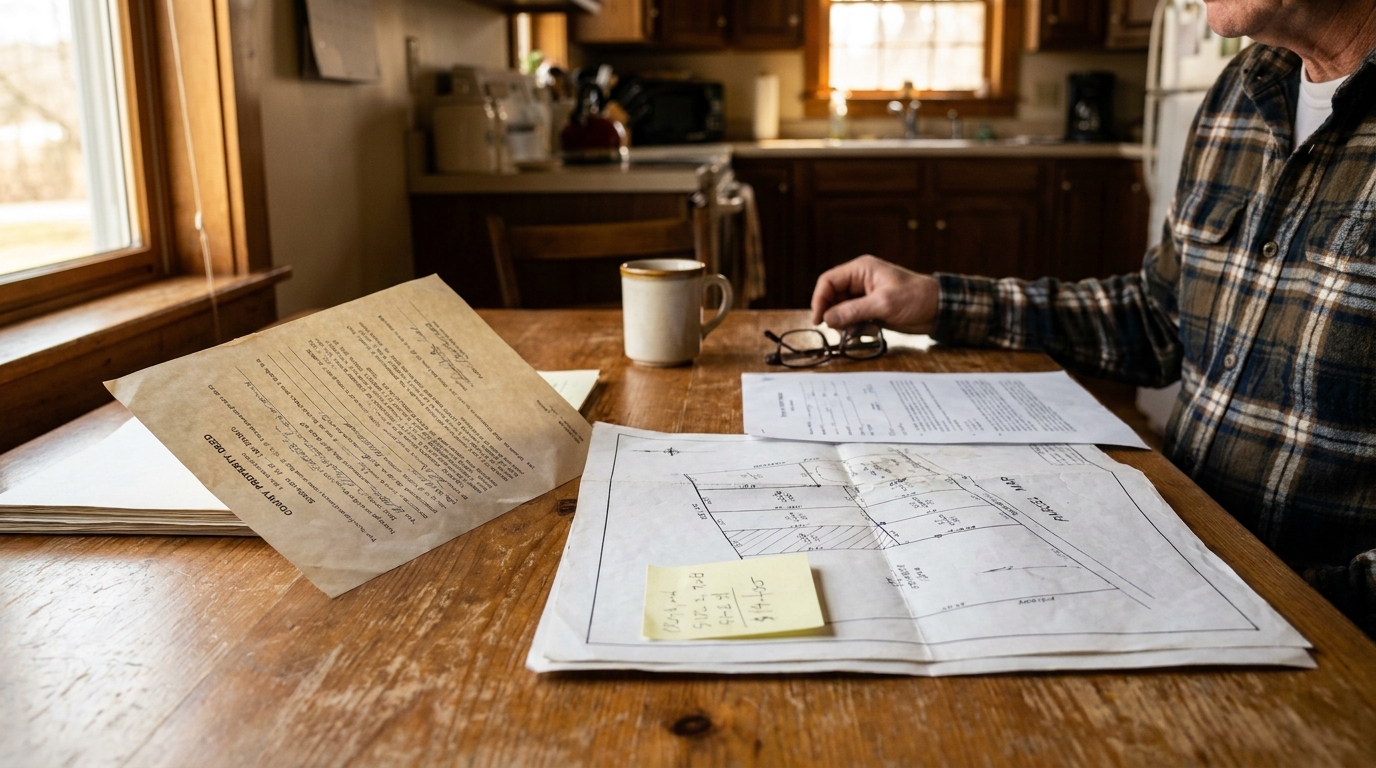
Who Qualifies to File a Partition Action in Pennsylvania?
Pa.R.C.P. Rule 1553 establishes a straightforward standing requirement: any one or more co-tenants may bring the action. Pa.R.C.P. Rule 1553 provides only that an action for partition may be brought by any one or more co-tenants and that all other co-tenants shall be joined as defendants; the rule itself does not define the term "co-tenant" or enumerate specific ownership categories. The term is commonly understood through case law and legal commentary to refer to persons or entities holding concurrent ownership interests (such as tenants in common and joint tenants). Where title is held by a corporation, LLC, or partnership, disputes are generally resolved through entity governance documents rather than partition. The rule imposes no minimum ownership threshold. A co-owner holding 5% has the same procedural right as one holding 50%.
All other co-tenants who are not plaintiffs must be joined as defendants. This mandatory joinder requirement ensures every ownership interest is accounted for. A plaintiff must identify and properly serve every individual or entity with a recorded interest. Failure to join a necessary party can delay or derail the action.
💡 Pro Tip: Before filing, conduct a thorough title search to confirm every party with recorded ownership interest. Overlooking a co-tenant can create joinder problems that stall your case.
Defendants Can File Counterclaims
A defendant in a partition action is not limited to a defensive posture. Under Pa.R.C.P. Rule 1556, a defendant may counterclaim for partition of any property the plaintiff could have included in the original complaint. This is relevant where co-owners hold interests in multiple properties. If two co-owners share title to a warehouse in Philadelphia and retail space in Delaware County, a defendant served with a complaint covering only the warehouse may counterclaim to partition the retail space as well.
Multiple Properties in a Single Action
Pennsylvania law allows plaintiffs to consolidate partition claims for multiple properties in one complaint. Pa.R.C.P. Rule 1555(a) permits a plaintiff to state causes of action for partition of all or any properties in which parties are co-tenants, regardless of location within the Commonwealth or the proportion of interests.
Where to File: Venue Rules for Partition Action Pennsylvania Proceedings
Venue is not discretionary in partition cases. Under Pa.R.C.P. Rule 1552, a partition action must be filed in a county where all or any part of the subject property is located. This applies even when the Commonwealth is a party. For properties in Philadelphia, file in Philadelphia Court of Common Pleas. If co-owned properties span multiple counties, the plaintiff may have venue options.
💡 Pro Tip: When co-owners hold properties in different counties, venue choice can have strategic implications for discovery, local procedural rules, and the court’s familiarity with property valuation in that market.
How the Court Resolves a Partition Action Pennsylvania Co-Owners Should Understand
Once the court orders partition, it must identify all co-tenants and define each party’s interest in the property. Pa.R.C.P. Rule 1557 requires the partition order to set forth these details, forming the foundation for dividing or disposing of the property. This order must be recorded, as it severs any joint tenancy and converts ownership to tenancy in common. The court follows a hierarchy of remedies designed to protect co-owner rights while reaching an equitable result.
Partition in Kind: The Preferred Remedy
Pennsylvania courts evaluate physical division first under the partition rules. Under Rules 1560 through 1562, if the property is capable of division without prejudice to or spoiling the whole, it shall be divided among co-tenants. If one party receives a larger share than warranted, the court may impose owelty, a monetary payment to equalize the division. Partition in kind is most practical for large parcels of undeveloped land or properties with natural division points, but rarely workable for a single commercial building or developed urban lot.
Buyout and Sale Options
When physical division is impractical, the court turns to alternative remedies under Pennsylvania’s partition statutes. When property cannot be divided without prejudice, Pa.R.C.P. Rule 1563 governs the determination that the property must be sold and provides a majority-interest buyout right under Rule 1563(b). If no objection is made under Rule 1563(b), Rule 1566 provides for a private sale confined to the parties by open bidding (with Rule 1567 governing the conduct and confirmation of that sale). If that private sale is not confirmed, the property then proceeds to public sale under Rule 1568. The majority-interest buyout right, as an exception to the private-sale step, is critical for any co-owner evaluating whether to file or respond to a partition complaint.
If neither partition in kind nor buyout resolves the matter, the court gives parties opportunity to purchase each other’s interests through private sale confined to the parties. When that fails or is not confirmed, the property proceeds to public sale. The following table summarizes this remedial hierarchy:
| Remedy | When It Applies | Key Requirement |
|---|---|---|
| Partition in Kind | Property can be physically divided | Division must not prejudice or spoil the whole |
| Partition with Owelty | Division is unequal | Monetary payment equalizes shares |
| Private Sale Confined to Parties | In-kind division impractical | Court-supervised sale among co-owners (Rules 1566, 1567) |
| Majority Buyout | Alternative where defendant co-owners holding a majority object in writing to a sale | Request award at court-fixed valuation under Rule 1563(b) |
| Public Sale | When private sale is not confirmed | Court-supervised process |
💡 Pro Tip: If you hold majority interest and want to retain the property, file your written objection to sale early in the proceeding. Delays can limit your options.
Strategic Considerations for Co-Owners Before Filing
Filing a partition action is significant, and the procedural rules create both opportunities and risks requiring careful analysis. Under Pa.R.C.P. Rule 1565, two or more co-tenants may elect to have their shares remain undivided, preserving joint ownership while partitioning out other co-owners’ interests. This is valuable for aligned co-owners who want to remove a disruptive partner without liquidating the entire asset.
The general rules of civil procedure govern partition actions unless Subchapter B provides otherwise. Under Pa.R.C.P. Rule 1551, this means standard discovery, pleading, and motion practice apply. For commercially sophisticated parties, this framework allows thorough fact development, including appraisals, accounting for contributions and improvements, and resolution of disputes over interests.
💡 Pro Tip: If you have made disproportionate capital contributions, paid taxes, or funded improvements, document these expenditures carefully. Courts may consider these equities when fashioning the partition remedy under Rule 1570.
Protecting Co-Owner Rights Through the Partition Process
Understanding when and how to assert your rights at each stage can meaningfully affect the outcome. For plaintiffs, the ability to include multiple properties and select venue provides strategic advantages. For defendants, counterclaim rights under Rule 1556 and buyout rights under Rule 1563(b) offer powerful tools to reshape the litigation. If you are a co-owner of jointly owned real estate in PA, knowing these procedural levers is essential to protecting your investment.
Partition disputes among business partners, investors, or family members who co-own commercial property often involve additional complexity. Operating agreements, prior course of dealing, and equities of each party’s contributions may all bear on remedies the court considers. A real estate litigation Philadelphia attorney with strong grasp of both partition rules and commercial context can help you navigate these issues effectively.
- Plaintiffs should confirm all co-tenants are identified and properly joined before filing.
- Defendants should evaluate counterclaim and buyout options immediately upon being served.
- Majority-interest holders should assess whether written objection to sale under Rule 1563(b) aligns with long-term investment goals.
- Minority-interest holders should understand that while they can initiate the action, the court’s remedial hierarchy may favor retention by majority owners.
Frequently Asked Questions
1. Can a minority co-owner file a partition action in Pennsylvania?
Can a co-owner with less than a 50% interest force a partition?
Yes. Pa.R.C.P. Rule 1553 allows any one or more co-tenants to bring a partition action regardless of ownership interest size. There is no minimum threshold. However, minority co-owners should be aware that if the property cannot be divided, defendants owning a majority in value may exercise their right under Rule 1563(b) to object in writing to a proposed sale and request that the property be awarded to them at court-fixed valuation rather than sold.
2. Does the partition complaint need to be filed where the property is located?
What are the venue requirements for a partition action?
Under Pa.R.C.P. Rule 1552, the action must be filed in a county where all or any part of the property is situated. For property in Philadelphia, this means filing in Philadelphia Court of Common Pleas. If co-owned properties are in multiple counties, the plaintiff may choose among qualifying venues.
3. Can a defendant in a partition case add other properties to the lawsuit?
What counterclaim rights do defendants have?
Pa.R.C.P. Rule 1556 permits a defendant to counterclaim for partition of any property the plaintiff could have included in the original complaint. This can expand the litigation scope and may be a strategic tool for defendants seeking comprehensive resolution across multiple co-owned assets.
4. What happens if the property cannot be physically divided?
How does the court handle properties that resist partition in kind?
When physical division would prejudice or spoil the whole, the court moves through alternative remedies. These include the determination under Rule 1563 that the property be sold, which provides a buyout right under Rule 1563(b). If no objection is made under Rule 1563(b), the matter proceeds to a private sale confined to the parties by open bidding under Rule 1566 (with Rule 1567 governing its conduct and confirmation), and ultimately a public sale under Rule 1568 if the private sale is not confirmed.
💡 Pro Tip: Even if you believe physical division is impractical, the court will evaluate that option first. Presenting clear evidence showing division would destroy value can help move the case toward your preferred remedy more efficiently.
Key Takeaways for Philadelphia Co-Owners Considering Partition
Pennsylvania’s partition framework provides a well-established path for co-owners to resolve property disputes when voluntary agreement is not possible. The rules grant broad filing rights to any co-tenant, protect defendants through counterclaim and buyout mechanisms, and guide courts through a structured remedial hierarchy. The procedural choices you make early will shape the outcome.
To discuss your co-ownership dispute with a Pennsylvania real estate attorney who handles complex partition matters, contact RS Law Group at (215)-717-2200 or schedule a consultation today.