
Understanding Triple Net Lease Disputes in Philadelphia’s Commercial Real Estate Market
Key Takeaways: Triple net (NNN) lease disputes in Philadelphia typically arise from ambiguous allocation of maintenance, tax, and insurance obligations between commercial landlords and tenants. Pennsylvania’s four-year statute of limitations under 42 Pa.C.S. § 5525 governs most lease default claims, with equitable tolling available in limited circumstances. Philadelphia’s complaint-driven code enforcement system means property condition issues often go undetected for extended periods. Leases exceeding three years must be in writing and signed by both parties. Resolving these disputes requires strategic legal counsel familiar with Pennsylvania contract law and Philadelphia’s municipal regulatory landscape.
A triple net lease dispute arises when a commercial landlord and tenant disagree over responsibility for property taxes, insurance premiums, or maintenance costs. In Philadelphia’s competitive commercial real estate market, these disagreements escalate quickly when lease language is vague or when one party fails to perform. Unlike a gross lease, a triple net (NNN) lease shifts significant financial burdens to the tenant, and the precise scope of those burdens frequently triggers conflict. For property owners, developers, and investors, understanding how Pennsylvania law governs these disputes is essential to protecting investment value.
If you are facing a triple net lease dispute or another complex commercial lease matter in Philadelphia, RS Law Group can help you evaluate your position and pursue a strategic resolution. Call (215)-717-2200 or reach out to schedule a consultation.
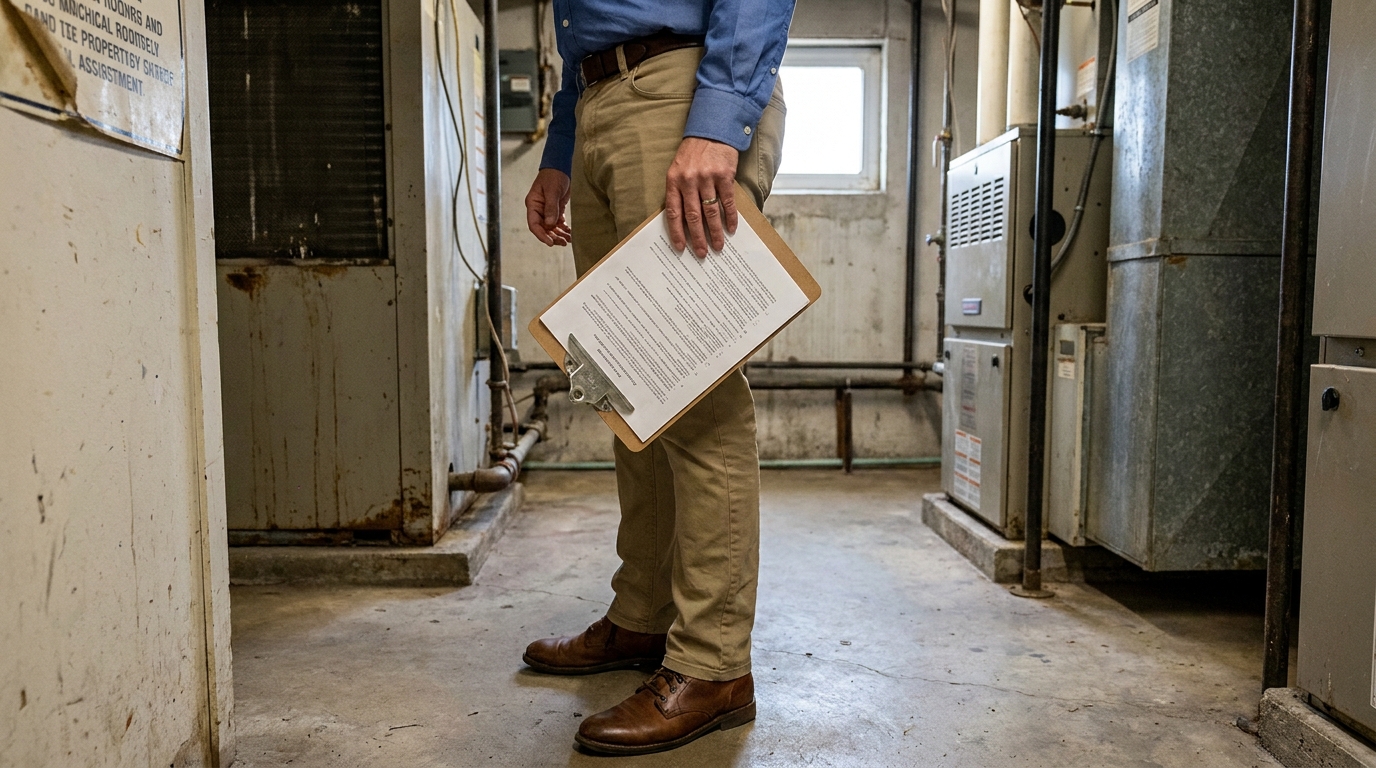
How Commercial Lease Disputes Philadelphia Parties Face Typically Begin
NNN lease disputes generally develop from accumulated ambiguities in lease drafting or shifting economic conditions that expose gaps in the original agreement. A landlord may discover neglected structural maintenance obligations. A tenant may argue that capital expenditures fall outside the scope of "maintenance" as contemplated by the lease. Either way, the dispute centers on the precise language of expense-allocation provisions.
Philadelphia’s commercial real estate environment adds complexity. BOMA International, a leading commercial real estate trade association, recognizes that NNN lease structures require careful drafting to avoid disputes over operating expense pass-throughs. When lease provisions fail to define terms like "structural repairs," "common area maintenance," or "capital improvements" with precision, litigation becomes more likely.
💡 Pro Tip: Before a dispute escalates, review your lease’s expense-allocation provisions with counsel. Ambiguous terms like "repairs" versus "replacements" are among the most litigated provisions in NNN lease agreements.
Key Obligations in a Triple Net Lease Under Pennsylvania Law
A triple net lease assigns three primary cost categories to the tenant: property taxes, building insurance, and maintenance expenses. The landlord retains ownership and collects base rent, but the tenant assumes financial responsibility for most operating costs. This structure is common in single-tenant commercial properties, retail centers, and industrial spaces throughout Philadelphia.
What Each "Net" Covers
| Obligation | Typical Tenant Responsibility | Common Dispute Triggers |
|---|---|---|
| Property Taxes | Payment of real estate taxes and assessments | Reassessments, tax appeal rights, allocation in multi-tenant buildings |
| Insurance | Building insurance premiums (not landlord’s liability coverage) | Scope of required coverage, premium increases, failure to maintain policies |
| Maintenance/CAM | Structural and non-structural repairs, common area upkeep | Capital vs. operating expenses, deferred maintenance, scope of "structural" |
Pennsylvania law requires that leases of more than three years be in writing and signed by both parties under the Pennsylvania Landlord and Tenant Act of 1951, Section 202. Oral agreements create significant evidentiary challenges in disputes over NNN obligations, so sophisticated commercial parties insist on detailed written agreements regardless of term length.
Statute of Limitations for Lease Default Claims
Under 42 Pa.C.S. § 5525, an action for breach of a written lease contract must generally be commenced within four years after the cause of action accrued. Pennsylvania courts recognize the discovery rule as an equitable doctrine that may toll the statute where a breach is not immediately ascertainable, but courts apply this narrowly. Parties may also contractually shorten the limitations period, provided the shortened period is reasonable and not unconscionable. Landlords and tenants should not assume that delayed awareness of a breach will automatically extend the filing deadline.
💡 Pro Tip: If your lease contains a shortened limitations period, mark the contractual deadline clearly. Missing a shortened window can permanently bar an otherwise valid claim.
Common Sources of NNN Lease Disputes in Philadelphia
Disputes over NNN lease obligations in Philadelphia tend to cluster around several recurring issues. Understanding these patterns can help property owners and commercial tenants anticipate risk and structure lease provisions accordingly.
Maintenance and Repair Allocation
The line between "maintenance" and "capital improvement" is one of the most frequently contested issues in triple net lease litigation. A tenant may argue that replacing a roof constitutes a capital expenditure outside their obligations. The landlord may counter that the lease assigns all building maintenance to the tenant without exception. When the lease fails to define these terms, the dispute often requires judicial interpretation.
Philadelphia’s code enforcement landscape compounds this problem. According to a Pew Charitable Trusts report, rental code enforcement in Philadelphia is virtually all complaint-driven, with only about 7% of rental properties inspected annually. Enforcement through the Law Department and courts takes an average of 180 days. For commercial properties operating under NNN leases, delayed enforcement allows maintenance issues to worsen substantially before either party takes action.
Operating Expense Reconciliation
Annual reconciliation of operating expenses is another frequent flashpoint. Tenants may challenge the landlord’s calculation of pass-through charges, dispute whether certain expenses qualify under the lease, or demand audit rights that the lease does not expressly grant. These disputes can involve significant sums and often require forensic accounting analysis alongside legal review.
💡 Pro Tip: Include clear audit rights and reconciliation procedures in your NNN lease. A well-drafted audit provision can resolve expense disputes before they reach litigation.
Commercial Lease Disputes Philadelphia Landlords Should Prepare For
Landlords and property owners in Philadelphia face several strategic considerations when NNN lease disputes arise. The first is preserving contractual remedies. Many NNN leases contain notice-and-cure provisions requiring written notice before declaring a default. Failure to follow these procedures precisely can undermine enforcement efforts.
The second consideration involves understanding how Pennsylvania’s consolidated statutes govern lease agreements. Title 68 addresses landlord-tenant relationships, while Title 42 governs judicial procedure, including statutes of limitations for contract-based lease claims. Landlords should ensure their lease terms do not conflict with mandatory statutory provisions.
The third consideration is timing. Given the four-year statute of limitations under 42 Pa.C.S. § 5525 and the possibility of a contractually shortened period, landlords should act promptly when they identify a tenant default. Delay may weaken the legal claim and allow property damage or financial exposure to increase. For a broader discussion of recurring issues, review the most common commercial lease disputes in Philadelphia.
💡 Pro Tip: Document every notice, communication, and expenditure related to a suspected tenant default. Contemporaneous records are often the strongest evidence in Philadelphia lease litigation.
Strategic Approaches to Resolving Triple Net Lease Disputes
Resolution strategies for NNN lease disputes depend heavily on the specific lease language, the nature of the breach, and the commercial relationship between the parties. Not every dispute requires litigation. In many cases, a well-prepared demand letter supported by clear contractual analysis can prompt resolution without court intervention.
- Lease audit and analysis: Thorough review of the lease often reveals which party holds the stronger contractual position.
- Pre-litigation negotiation: Direct negotiation informed by legal counsel can preserve the relationship while resolving the financial dispute.
- Formal litigation: When negotiation fails, Pennsylvania courts provide mechanisms for breach of lease claims, declaratory judgments, and damage recovery.
A commercial real estate lawyer in Philadelphia can evaluate whether your dispute is best resolved through negotiation, mediation, or litigation. The right approach depends on the dollar amounts at stake, the remaining lease term, and whether the relationship is worth preserving.
💡 Pro Tip: Before initiating litigation, calculate the full cost of the dispute, including lost rent, legal fees, and potential vacancy. Sometimes a negotiated resolution produces a better business outcome.
Frequently Asked Questions
1. What distinguishes a triple net lease from other commercial leases in Pennsylvania?
A triple net lease shifts property taxes, insurance, and maintenance costs to the tenant, while a gross lease typically includes those costs in the base rent. Modified gross leases fall somewhere in between. The NNN structure is common in Philadelphia for single-tenant retail and industrial properties because it provides landlords with a predictable net income stream.
2. How long do I have to file a claim for a commercial lease default in Pennsylvania?
Under 42 Pa.C.S. § 5525, you generally have four years from when the cause of action accrued to bring a breach of contract claim on a written lease. However, the lease may contractually reduce this period if the shortened timeframe is reasonable. The accrual date is generally when the breach occurred, though Pennsylvania’s equitable discovery rule may toll the limitations period in narrow circumstances.
3. Can a NNN lease dispute in Philadelphia be resolved without going to court?
Yes, many commercial tenant disputes in Pennsylvania resolve through pre-litigation negotiation or mediation. The strength of your position typically depends on how clearly the lease defines the disputed obligation. Courts may also order alternative dispute resolution if the lease contains a mediation or arbitration clause.
4. What happens if my commercial lease in Philadelphia does not clearly define maintenance responsibilities?
Ambiguous maintenance provisions often require judicial interpretation, which can be costly and unpredictable. Pennsylvania courts will generally look at the plain language of the lease, the parties’ course of dealing, and industry custom to determine the intended allocation of responsibilities.
5. Does Philadelphia have any local requirements that affect commercial lease disputes?
Philadelphia’s municipal code and regulatory framework can intersect with commercial lease obligations, particularly for mixed-use properties. The city’s complaint-driven code enforcement system means that property condition issues may go undetected until a formal complaint triggers an inspection, potentially complicating disputes over deferred maintenance under a NNN lease.
Protecting Your Commercial Investment in Philadelphia
Triple net lease disputes involve significant financial stakes and require a clear understanding of both Pennsylvania contract law and Philadelphia’s regulatory environment. Whether you are a landlord enforcing a tenant’s maintenance obligations or an investor evaluating risk in a property acquisition, the outcome often depends on the quality of the original lease drafting and the speed of your response to a breach. Early legal analysis can make the difference between swift resolution and prolonged, expensive litigation.
Contact RS Law Group to discuss your commercial lease dispute with attorneys who have extensive experience in Philadelphia commercial real estate matters. Call (215)-717-2200 or contact us today to schedule a consultation.